This article may contain affiliate links. We may earn a small commission at no extra cost to you if you make a purchase through these links.
AI Business Plans 2026: Muse, ChatGPT, Claude, Gemini, Copilot
ChatGPT Business and Claude Team now cost the same. We compare them with Gemini in Workspace, Copilot Business and Muse on price, agents and data terms.

As of October 2026, the price gap between business AI plans has nearly closed. ChatGPT Business and Claude Team both cost $20 per seat per month on an annual plan. Google bundles Gemini into Workspace from $7, Microsoft adds Copilot to Microsoft 365 for $21, and Meta's new Muse for Small Business costs nothing extra at all. The right choice now depends less on price than on where your work already lives, and on what you're trusting the AI with.
Meta's launch of Muse for Small Business on September 29 is what prompted this comparison. It added a fifth option to the four plans small businesses usually weigh: OpenAI's ChatGPT Business, Anthropic's Claude Team, Google Workspace with Gemini, and Microsoft 365 Copilot Business. Here is how they compare on price, features and the terms that matter once customer data is involved. (For what changes between the personal Muse app and the business version, see Muse vs Muse for Small Business.)
How much do business AI plans cost in 2026?
All prices below are per user per month in US dollars, checked against each vendor's pricing page in early October 2026. Annual plans are cheaper than paying month to month at every vendor.
| Plan | Annual price | Monthly price | Seats | Heavy-use tier |
|---|---|---|---|---|
| ChatGPT Business | $20 | $25 | 2 minimum | Premium seat $100 annual / $125 monthly |
| Claude Team | $20 | $25 | 2 to 150 | Premium seat $100 annual / $125 monthly |
| Google Workspace with Gemini | $7 Starter, $14 Standard, $22 Plus | About 20% more on the Flexible plan | Up to 300 | Enterprise plans (contact sales) |
| Microsoft 365 Copilot Business | $21 add-on; or $23.50 / $32 bundled with Business Standard / Premium | Monthly billing at a higher rate | Up to 300 | Microsoft 365 Copilot (enterprise) |
| Muse for Small Business | Free; Power $20; Maximum $100 | Same | One person per account | Maximum plan |
Sources: Claude pricing, Google Workspace pricing, Microsoft 365 Copilot Business and Meta's announcement. OpenAI's pricing page confirms the plan's features and two-seat minimum, but didn't display the seat price when we checked, so the ChatGPT figures come from GeoToolbox's pricing tracker (updated September 29) and match other trackers. Microsoft's page still showed a promotional $18 for Copilot Business on October 3; the list price is $21.
Two of these are not like the others. Google and Microsoft sell office suites (email, documents, storage, video calls) with AI built in, so their price buys more than a chatbot. OpenAI and Anthropic sell the AI alone. Meta sells a personal agent, priced per person rather than per seat.
What does a five-person team actually pay?
| Option (annual billing) | Monthly total for 5 people | What that includes |
|---|---|---|
| Google Workspace Business Standard | $70 | Gmail, Docs, Drive, Meet and Gemini |
| ChatGPT Business | $100 | AI only; keep your existing email and docs |
| Claude Team | $100 | AI only; keep your existing email and docs |
| Copilot Business add-on | $105, plus your Microsoft 365 plan | Copilot on top of a suite you already pay for |
| Microsoft 365 Business Standard with Copilot | $117.50 | Outlook, Word, Excel, Teams and Copilot |
| Muse for Small Business | $0 to $500 | Five separate personal accounts; nothing shared |
On raw cost, Google is the cheapest way to give a whole team AI, because the AI comes with tools you'd otherwise pay for. Muse is cheapest for a single owner, but it has no shared workspace, so it doesn't scale to a team at any price.
Which plan has the best AI agent?
Every vendor now sells an agent, an AI that carries out multi-step tasks instead of only answering. Which agent you get on a business plan varies more than the price does.
- ChatGPT Business: ChatGPT Work and Codex on web, desktop and mobile, workspace agents, scheduled tasks and deep research. Dots, OpenAI's always-on agent launched at DevDay on September 29, is listed only for Business Premium seats. We covered the shift in ChatGPT Work and Codex.
- Claude Team: Claude Code and Cowork, plus Claude Design, Slides and Docs and enterprise search across connected tools. Cowork, Anthropic's agent for desktop tasks, merged into the main Claude app in September. Premium seats give five times the usage, which matters for heavy Claude Code users.
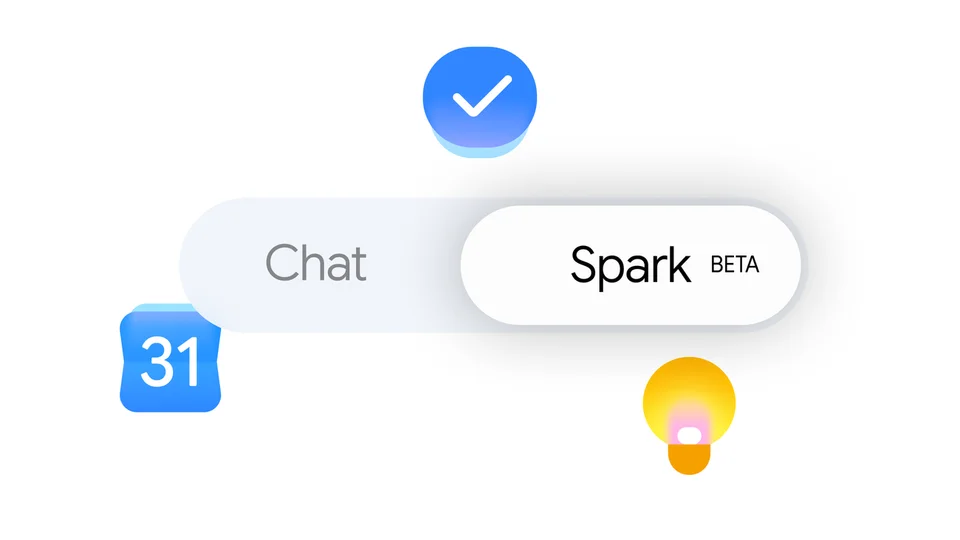
- Google Workspace: Gemini inside Gmail on every plan, and in Docs, Meet and more from Business Standard up, plus the Gemini app and Gemini Notebook. Google's always-on agent, Gemini Spark, launched for consumer AI Pro and Ultra subscribers. Google has said Spark is coming to Workspace, but we couldn't confirm it is included in Business plans yet.
- Microsoft 365 Copilot Business: Copilot in Word, Excel, PowerPoint, Outlook and Teams, plus pre-built Researcher, Analyst and Facilitator agents and a choice of models. Microsoft's more autonomous agent, Autopilot, is enterprise-only for now (see our Microsoft Scout and Autopilot explainer).
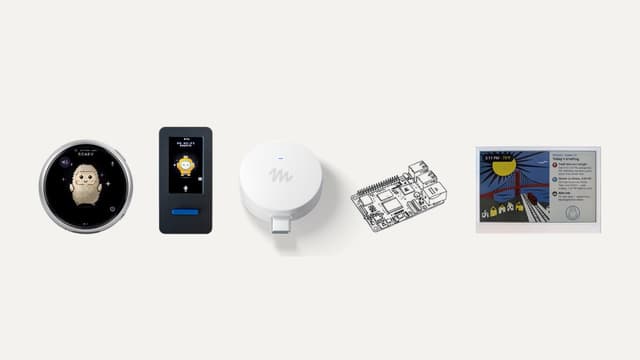
- Muse for Small Business: the most hands-on agent of the five. It works in its own cloud computer, can act inside Shopify, QuickBooks, Meta ad accounts and a dozen other tools, and asks before it publishes, sends or spends. It's also the only one that's one person's assistant rather than a team tool. Meta is also opening it to home-built devices through Muse Gadgets.
Which plans connect to the tools I already use?
An AI plan is only as useful as the data it can reach. The five take different routes:
- ChatGPT Business connects Microsoft 365, Google Drive, Slack, GitHub, Linear, Figma and more, and adds Excel, Word, PowerPoint and Google Sheets extensions. It's the most neutral option if your team uses a mix of suites.
- Claude Team connects Microsoft 365 and other tools through connectors, with admin controls over which remote and local connectors staff can use.
- Google Workspace works best on data already in Gmail, Drive and Calendar. That's its strength and its limit.
- Microsoft 365 Copilot reads what's in your Microsoft 365 tenant, and only what each user already has permission to see.
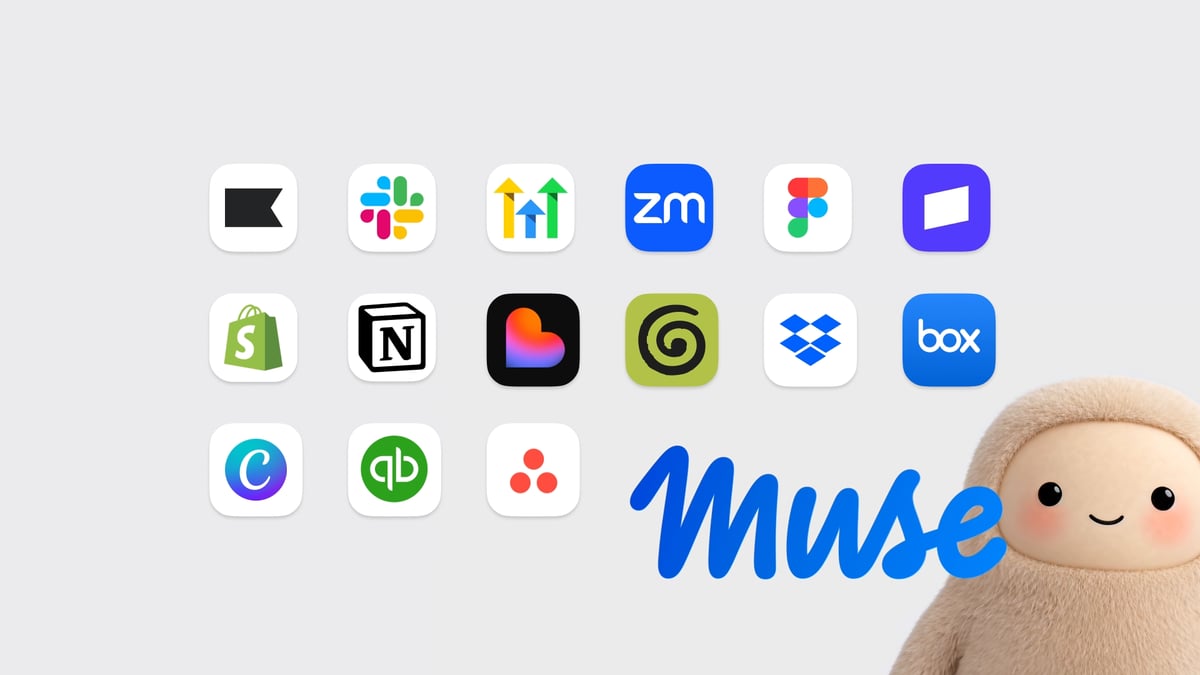
- Muse for Small Business connects the tools a shop or service business runs on: Shopify, Stripe, QuickBooks, Klaviyo, HighLevel, Canva, Slack, Zoom and more, plus Facebook Pages, Instagram professional accounts and Meta ad accounts. No other plan reaches Meta's ad and social tools this directly.
Do these plans train AI on my business data?
This is where Muse differs from the other four.
| Plan | Training on business data | Admin and sign-in controls |
|---|---|---|
| ChatGPT Business | No, by default | SAML SSO, MFA, central billing, usage and spend controls |
| Claude Team | No, by default | SSO, central billing, connector admin controls |
| Google Workspace | No; Google says Workspace content isn't used to train models outside your domain without permission | Full Workspace admin console |
| Microsoft 365 Copilot | No; prompts, responses and work data aren't used to train foundation models | Microsoft 365 identity and access management |
| Muse for Small Business | Not stated for business data; consumer conversations train Meta's models unless you opt out | None announced |
Sources: OpenAI's and Anthropic's pricing pages, Google's Generative AI in Workspace Privacy Hub, and Microsoft's Copilot privacy documentation. Meta says Muse doesn't collect passwords or payment details and doesn't share its virtual machine data with ad systems, but it hasn't published business-specific data terms. We go through what that means in practice in our Meta Muse review.
Which AI business plan should you choose?
Your team lives in Gmail and Google Docs: Google Workspace
If you already pay for Workspace, you already have Gemini; check which plan you're on before buying anything else. If you're starting from scratch, Business Standard at $14 gets you email, storage, meetings and AI for less than an AI-only seat elsewhere. The trade-off is that Gemini is strongest on Google data and weaker on everything outside it.
Your team lives in Outlook and Excel: Microsoft 365 Copilot Business
Copilot's advantage is that it works inside the files and permissions you already have. At $21 on top of Microsoft 365, it's the most expensive per seat of the five. If you're buying a suite anyway, the $23.50 Business Standard with Copilot bundle is the better deal.
You want the strongest standalone AI: ChatGPT Business or Claude Team
At identical prices, pick by the work. ChatGPT Business has the widest set of connectors and extensions, and the Dots agent if you pay for Premium seats. Claude Team is the stronger pick for writing-heavy and coding-heavy teams, with Claude Code and Cowork included (see our look at Anthropic's latest models). Both let you mix Standard and Premium seats, so only your heaviest users need the $100 seat.
You run the business alone, mostly on Shopify and Instagram: try Muse
For a one-person shop, Muse for Small Business does something the others don't: it acts inside Shopify, QuickBooks and Meta's ad tools, for free. Turn off training under Data Controls, connect only what you need, and keep it away from customer data you're contractually bound to protect until Meta publishes business terms. As soon as you have an employee who needs access, move to a per-seat plan.
The bottom line
Business AI has become a commodity priced around $20 a seat, and the real differences are now ecosystem, agents and data terms. Google and Microsoft win if you're already in their suites, because the AI comes attached to tools you use every day. ChatGPT and Claude are the best standalone assistants and the easiest to add to a mixed setup. Muse is the most interesting newcomer, and the cheapest, but for now it's a personal agent that happens to understand your business, not a business plan. Meta's separately announced enterprise platform, led by former MongoDB CEO CJ Desai, may change that. Until it ships with published prices and terms, buy for the team you have today.
Frequently Asked Questions
What is the cheapest AI plan for a small business?
For one person, Muse for Small Business, which is free with usage limits. For a team, Google Workspace Business Starter at $7 per user per month (annual) is the cheapest way to give everyone Gemini, and Business Standard at $14 adds Gemini in Docs and Meet. Both include email and storage, which AI-only plans like ChatGPT Business and Claude Team don't.
Is ChatGPT Business or Claude Team better for a small business?
They cost the same, $20 per seat per month on annual billing or $25 monthly, with $100 Premium seats for heavy users. ChatGPT Business has broader connectors and Office extensions, and Dots on Premium seats. Claude Team is stronger for long writing and coding work, with Claude Code and Cowork included. Neither trains on your business data by default.
Do I need Microsoft 365 to use Copilot Business?
Yes. Microsoft 365 Copilot Business is an add-on to a Microsoft 365 business plan, priced at $21 per user per month on an annual subscription for organisations of up to 300 users. Microsoft also sells bundles: Business Standard with Copilot at $23.50 and Business Premium with Copilot at $32 per user per month.
Is Gemini included in Google Workspace?
Yes. As of October 2026, every Business plan includes the Gemini app and Gemini in Gmail, and Business Standard and Plus add Gemini in Docs, Meet and other apps, plus expanded Gemini Notebook features. There's no separate Gemini add-on to buy for these plans. Plans start at $7 per user per month on annual billing.
Can a team share one Muse for Small Business account?
No. Muse is priced and built per person, and Meta hasn't announced team seats, shared workspaces or admin controls. Each employee would need their own account and connections. For a team that needs shared access and admin control, ChatGPT Business, Claude Team, Google Workspace or Microsoft 365 Copilot are the better fit today.
Enjoying this article?
Get more strategic intelligence delivered to your inbox weekly.
Enjoyed this article?
VentureBeast.Tech is independent and reader-supported. If this saved you time, you can buy us a coffee — it keeps the research deep and the site ad-light.
Support us on Ko-fi

Comments (0)
No comments yet. Be the first to share your thoughts!