This article may contain affiliate links. We may earn a small commission at no extra cost to you if you make a purchase through these links.
Personal AI Agents: Muse vs Dots vs Spark, and Where's Claude?
Meta has Muse, OpenAI has Dots, Google has Gemini Spark. Where is Claude, what happened to Mico, and who else is building a personal AI agent?
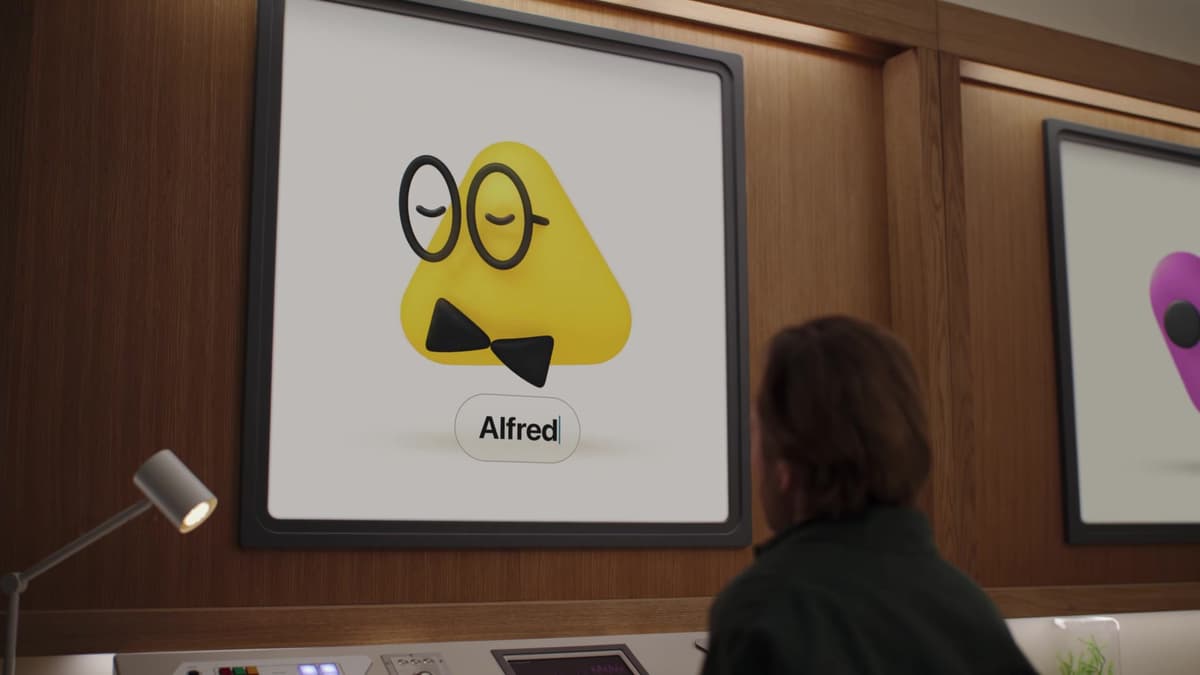
Every big AI company now sells, or is about to sell, a personal agent: an AI that runs on its own cloud computer, works while you sleep, and acts on your accounts. Meta has Muse, OpenAI has Dots and Google has Gemini Spark. Anthropic has no named agent at all. It turned Claude itself into one. Microsoft, whose Mico was only ever an animated face, has aimed its new agent squarely at the office.
As of September 30, 2026, the products look alike under the hood. They differ in who they're for and what they cost. Our read: this is no longer a race to build the agent. It's a race to own the accounts the agent works in. That's why Google, with Gmail and Calendar, looks strongest, even though Meta and OpenAI got the headlines.
What counts as a personal AI agent?
A chatbot answers. An agent acts. The products in this piece share four traits that set them apart from ChatGPT or Gemini as you knew them in 2025:
- Their own computer. Each runs in a cloud machine with its own browser, so it keeps working after you close the app.
- Standing goals. You hand over an ongoing job ("watch my inbox for school emails and add dates to my calendar"), not a single question.
- Your accounts. They connect to email, calendars, shopping and messaging, and can act inside them.
- Approval gates. They are supposed to stop and ask before anything that spends money or speaks for you.
That last point is where the products differ most, and it's the one to check before you connect anything.
Who has launched what? The scorecard
| Company | Agent | Launched | Who can use it | Aimed at |
|---|---|---|---|---|
| Meta | Muse | Sept 8, 2026 | US; free tier, $20 and $100 plans | Consumers |
| OpenAI | Dots | Sept 29, 2026 | ChatGPT Pro and Business Premium | Power users and teams |
| Gemini Spark | May 19, 2026 (beta) | AI Pro (US) and AI Ultra; not in the EEA or UK | Consumers | |
| Anthropic | Claude (Cowork merged in) | Sept 16, 2026 merge | Paid Claude plans, rolling out | Work |
| Microsoft | Copilot Autopilot | Sept 25, 2026 (private preview) | Business customers | Work |
| Apple | Siri AI (iOS 27) | Sept 14, 2026 | iPhone 15 Pro and later | Consumers, on-device |
| Amazon | Alexa+ ("Moonraker" in development) | Alexa+ live in US | Free with Prime, else $19.99/month | Home |
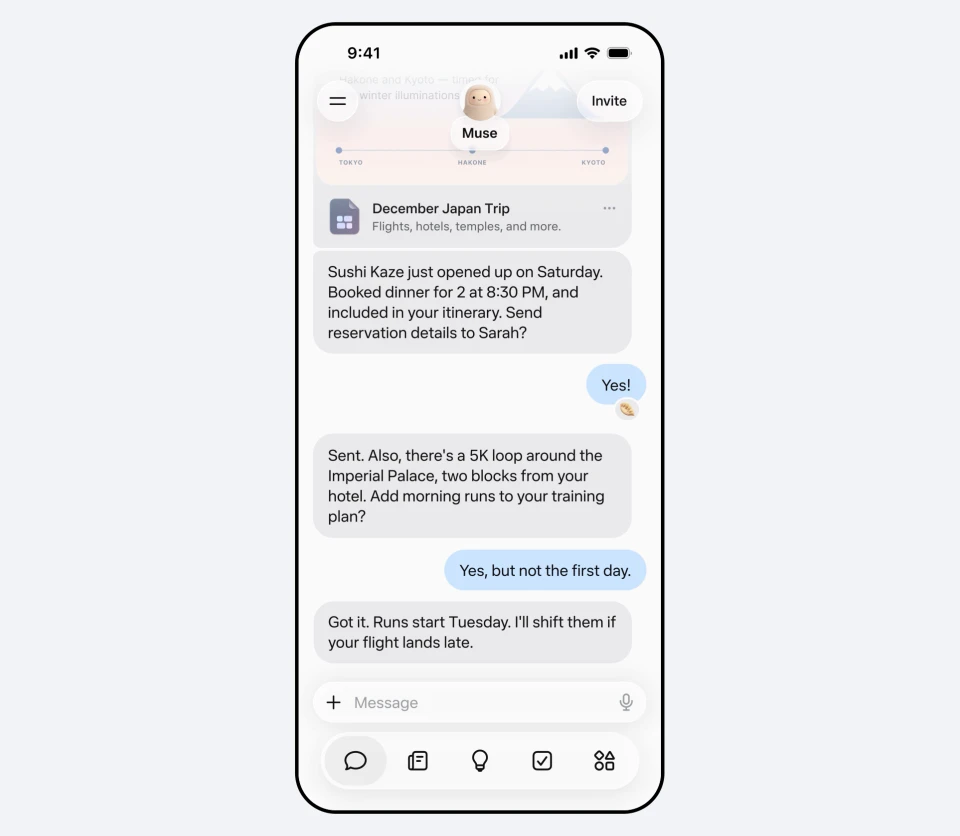
Meta Muse and OpenAI Dots: the two September launches
Meta Muse launched September 8 on the web, iOS, Android and inside WhatsApp, US only. It books, fills in forms, sends email and checks out purchases. A separate "Sentinel" agent reviews what it sends out, and purchases need your approval. It's free to start, with $20 and $100 monthly plans for heavier use. We covered it in depth, including its privacy trade-offs and the Amazon blocking fight, in our Meta Muse review.
OpenAI Dots arrived three weeks later, on September 29 at DevDay. OpenAI calls them "remarkably capable, always-on agents built to handle everything," TechCrunch reported. Each Dot runs on GPT-6 Astra with its own cloud computer, and shows up as a small, bubbly animated avatar that you name. What sets Dots apart:
- Teams of agents. You start with one primary Dot, and OpenAI says specialist Dots, each with their own credentials and tools, can work together on your behalf.
- Where it lives. In ChatGPT and Codex, plus Slack and Microsoft Teams at launch. Text messaging is "coming soon."
- Who gets it. Pro and Business Premium subscribers in eligible markets, with the first Dot included at no extra cost. Enterprise has it in beta. Pricing for additional Dots hasn't been announced.
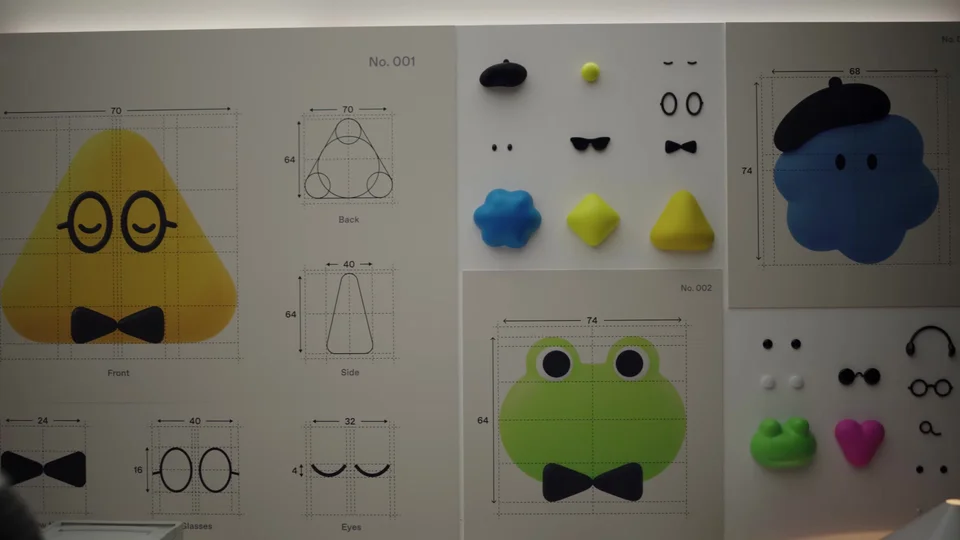
Muse is the free app anyone can download. Dots sit behind ChatGPT's most expensive plans. OpenAI's own launch examples, a developer monitoring customer feedback and shipping fixes, and a scientist rerunning an analysis, show where it expects Dots to earn their keep. For what the cheaper ChatGPT plans get instead, see our breakdown of ChatGPT Work and Codex.
Where is Google's version? Gemini Spark came first
Google didn't have to answer Muse, because it shipped first. Gemini Spark was announced at Google I/O on May 19, 2026, almost four months before Muse. Google describes it as "your 24/7 personal AI agent," driven by Gemini 3.5 and running on Google's cloud, according to Google's own announcement.
- Built into your Google accounts. Spark connects natively to Gmail, Docs and Sheets with no setup. Third-party apps connect through MCP connectors. PCWorld listed Adobe, Canva, Dropbox, Spotify and Wix among the partners.
- Reachable by email. You can CC Spark on an email thread or include it in a text chain.
- Approvals. Google says Spark "is designed to ask you first before performing high-stakes actions like spending money or sending emails."
- Availability. It started with AI Ultra subscribers. On July 24 it reached AI Pro subscribers in the US and Ultra subscribers worldwide, Android Authority reported. It is not available in the EEA, the UK, Switzerland or Nigeria.
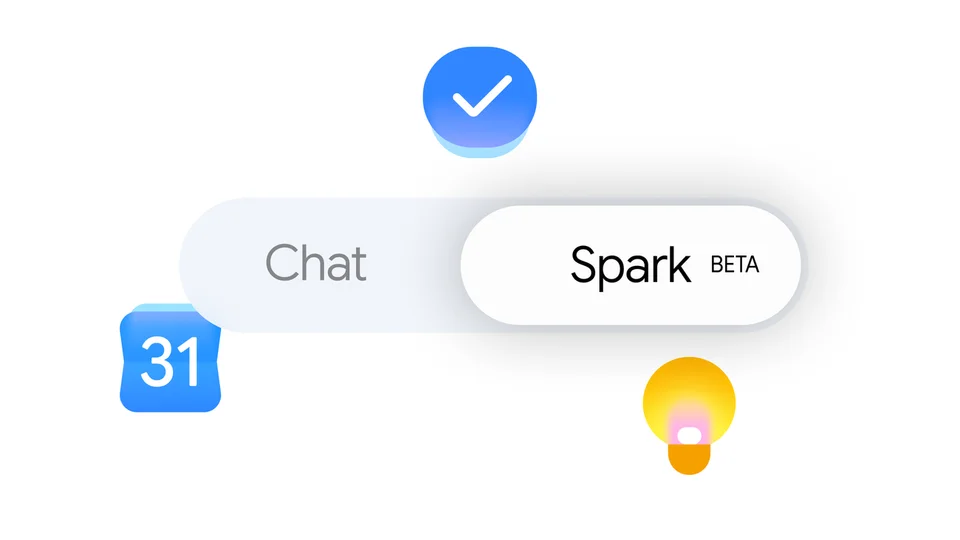
Google's advantage is distribution. Muse has to ask you to connect Gmail. Spark already lives next to it. Gemini also underpins Apple's new Siri, which we covered in how Google won the default. If the winner is whoever already holds your inbox and calendar, Google starts ahead.
Where is Anthropic's version? It made Claude the agent
Anthropic has no named companion, no avatar and no separate agent app. That's deliberate. Its agent features began as Claude Cowork, a mode that hands Claude longer jobs across your files, email, calendar and the web. Cowork reached web and mobile on all paid plans on August 18. Then, on September 16, Anthropic announced that "Claude Cowork and chat are merging into one Claude." The regular Claude app now does agent work itself:
- It keeps working on a task after you close your laptop.
- It runs scheduled, recurring jobs ("every Monday").
- You set how much it checks in: ask before acting, or only report problems.
- The merged app is rolling out to Pro and Max first over the coming weeks, then Team and Free.
For acting on websites, Claude in Chrome became generally available on paid plans on August 26. The browser extension clicks, types, fills in forms and moves between pages. A safety classifier checks each action against your instructions before it runs.

So the answer to "where's the Claude version?" is: you're already using it, if you pay for Claude. It's framed around work: documents, slides, research and inbox tasks. Anthropic hasn't pitched booking dinner or negotiating your car purchase the way Meta has. Claude Pro costs $20 a month, the same as Muse's first paid tier.
What happened to Microsoft Mico?
Mico was never an agent. It was the animated blob Microsoft gave Copilot's voice mode in October 2025. It couldn't act on your behalf, and Microsoft took it out of the main Copilot app on August 18, 2026, keeping it only as a tutor in the Learn Live education feature, The Next Web reported. Group Chat, Podcasts and consumer Deep Research were cut the same day.

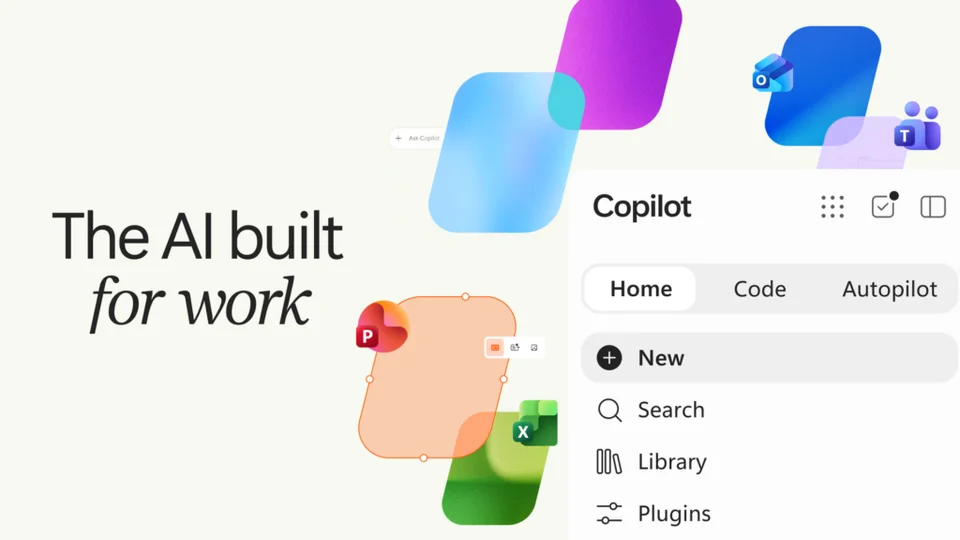
Microsoft's real answer came September 25, when it introduced the new Copilot with three tabs: Home, Code and Autopilot, "a persistent, proactive and personal agent that keeps working even when you're not." You give an Autopilot a name, role and goal, and you @mention it in Teams or Outlook like a coworker. It's in private preview at the end of September, and it's built for Microsoft 365 business customers, not consumers. We explained the idea behind it in our piece on Microsoft Scout, the first Autopilot.
What about Apple and Amazon?
Apple took a different route. Siri AI in iOS 27, rolling out since September 14, can take actions inside apps such as Messages, Music and Reminders through a new App Actions framework, and search your personal context across photos, email and notes. Most of it runs on the iPhone itself, and it needs an iPhone 15 Pro or newer. It's an assistant that acts inside your phone, not a cloud agent that works while you're away.
Amazon's Alexa+ is available across the US, free with Prime or $19.99 a month otherwise, and can already book rides and restaurants. Its true multi-step agent, codenamed Moonraker, is still in development. Business Insider reported in July that internal documents flagged it as Alexa+'s "highest cost" project, with more than $100 million in GPU costs planned for 2026, and that engineers tested it with an Anthropic Sonnet model, as The Next Web summarized.
Who else is building personal agents?
- Instinct. A startup agent with no app of its own: you connect it to Gmail and your calendar and it handles email, scheduling and multi-step errands. It opened as an invite-only beta in February 2026. It is reportedly raising $250 million at a $2.5 billion valuation, led by Index Ventures and Benchmark, per SiliconANGLE. Its terms allow training on user data.
- xAI Grok Bot. Launched August 11 as "AI teammates," each with its own cloud computer. It's bundled with SuperGrok Heavy and some Cursor plans, and aimed at work.
- Perplexity. The Comet browser's built-in assistant, plus Personal Computer, a Mac app that runs agents across local files and apps for Max subscribers. On Samsung's Galaxy S26, "Hey Plex" gives Perplexity system-level access.
- OpenClaw. The open-source agent you run on your own machine. Its creator joined OpenAI to work on personal agents, which makes it a direct ancestor of Dots.
- Manus. The cloud agent Meta tried to buy for about $2 billion. China's NDRC blocked the deal on April 27, 2026, TechCrunch reported, and Manus runs independently.
- China's super-app agents. ByteDance's Doubao assistant powers the Nubia NaviX Ultra, sold as "the world's first AI agent phone," which launched September 17 at RMB 5,999, TechNode reported. Alibaba's Qwen app has searched, compared and ordered across Taobao and Tmall since May, with only a final confirmation from you. Tencent is reported to be testing an agent inside WeChat.
The Chinese players have what US labs are still negotiating for: shopping, payments and messaging inside one company's apps. Muse's fight with Amazon shows why that matters. An agent is only as useful as the sites that let it in.
Which personal AI agent should you use?
- You live in Gmail and Google Calendar: Gemini Spark, if you're in a supported country. It needs the least setup, and it asks before spending or sending.
- You want to try an agent for free: Meta Muse, but connect as little as possible. Training on your chats is on by default.
- You already pay for Claude: use the agent features you have. Background and scheduled tasks plus Claude in Chrome cover most errand-style work, starting at $20 a month.
- You're a heavy ChatGPT Pro user: Dots is included, and its multi-agent setup suits ongoing projects more than one-off errands.
- You're on an iPhone and want privacy: Siri AI does less, but most of it stays on the device.
Whichever you pick, the rule from our Muse review holds: start with one account, check its approval settings, and read the action log for the first week. OpenAI's own launch notes warn that Dots "can still make mistakes," and that applies to every agent here.
The verdict
The personal agent is no longer one company's idea. Meta, OpenAI and Google now sell nearly the same design: a cloud computer, standing goals, your accounts, and approvals for anything risky. Anthropic and Microsoft built the same machinery and pointed it at work. The differences that remain are about trust, price and access, not intelligence.
Watch three things over the next few months. First, whether sites such as Amazon let agents in at all. Second, whether Anthropic brings its agent to the Free plan as promised. Third, what OpenAI's first hardware device does to all of this. A court filing says it won't ship before 2027.
FAQ
Does Anthropic have a personal AI agent like Meta Muse?
Not as a separate product. Anthropic merged its Cowork agent mode into the main Claude app on September 16, 2026. Paid Claude users can hand it background and scheduled tasks across files, email, calendar and the web, and Claude in Chrome lets it act on websites. There's no avatar or companion persona, and it's pitched mainly at work tasks.
What is Google's answer to Muse and Dots?
Gemini Spark, a 24/7 agent inside the Gemini app, announced at Google I/O on May 19, 2026. It works across Gmail, Docs and Sheets, can be CC'd on emails, and asks before spending money or sending messages. It's available to Google AI Pro subscribers in the US and AI Ultra subscribers worldwide, excluding the EEA, UK, Switzerland and Nigeria.
Is Microsoft Mico an AI agent?
No. Mico was an animated character for Copilot's voice mode, launched in October 2025, and it couldn't act on your behalf. Microsoft removed it from the main Copilot app on August 18, 2026. Microsoft's agent is Copilot Autopilot, announced September 25, 2026, which is in private preview for business customers.
Which personal AI agent is free?
Meta Muse has a free tier with a weekly usage allowance, though it requires a credit card at sign-up. OpenAI Dots needs ChatGPT Pro or Business Premium, Gemini Spark needs Google AI Pro or Ultra, and Claude's agent features need a paid Claude plan. Anthropic says the merged Claude experience will reach the Free plan after Pro, Max and Team.
Enjoying this article?
Get more strategic intelligence delivered to your inbox weekly.
Enjoyed this article?
VentureBeast.Tech is independent and reader-supported. If this saved you time, you can buy us a coffee — it keeps the research deep and the site ad-light.
Support us on Ko-fi


Comments (0)
No comments yet. Be the first to share your thoughts!