This article may contain affiliate links. We may earn a small commission at no extra cost to you if you make a purchase through these links.
Smart Rowing Machines 2026: Hydrow, Peloton Row, Ergatta
Hydrow wins content breadth. Peloton Row wins stroke realism. Ergatta wins gamified motivation. All three cost $2,500-$3,200. Here's how they compare.
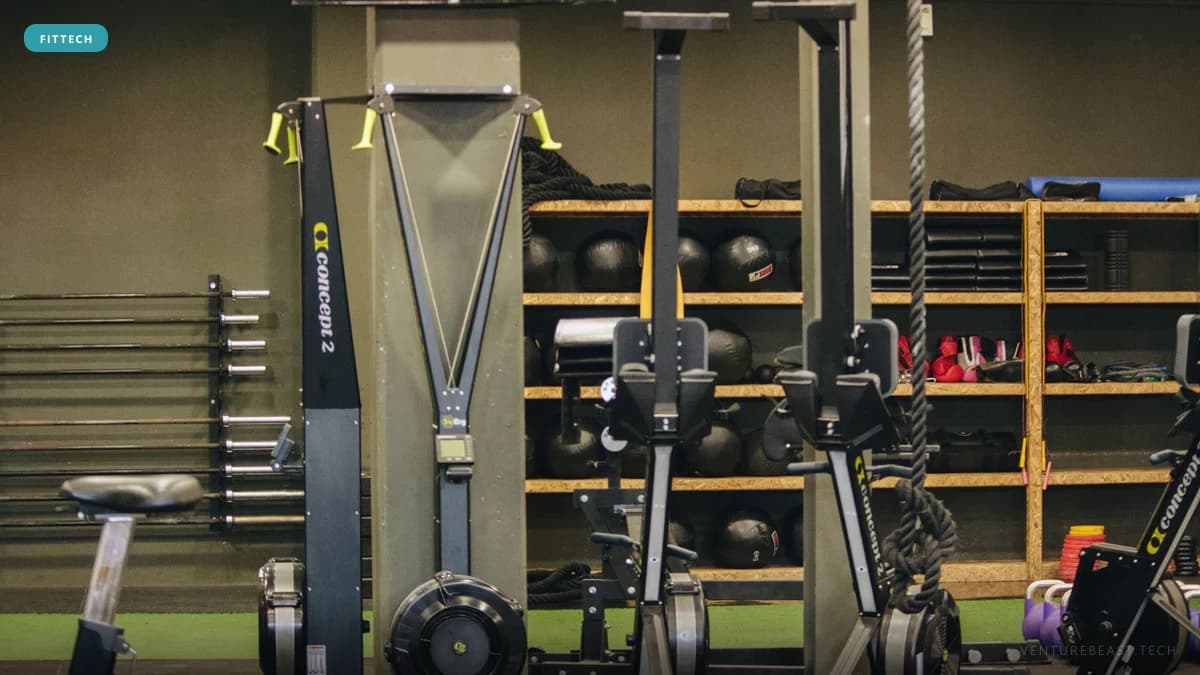
Three smart rowing machines dominate the connected-fitness rowing category in 2026, each built around a genuinely different resistance mechanism and content philosophy: Hydrow ($2,495, $44/month) uses computer-controlled electromagnetic resistance with a 5,000+ class content library extending well beyond rowing; Peloton Row ($3,195) uses electromagnetic resistance tuned for the most realistic on-water stroke feel; and Ergatta ($2,499, $29/month) uses a traditional water-tank resistance system that scales naturally with stroke intensity, paired with a game-based rather than instructor-led workout format.
Unlike the compression-therapy comparison we covered in recovery tech 2026, where the products largely compete on the same axis (compression precision), these three rowers have made genuinely different design bets that produce meaningfully different workout experiences — the choice between them is less "which is objectively best" and more "which resistance feel and content style actually motivates you to keep showing up."
Resistance mechanism — the core technical difference
| Hydrow | Peloton Row | Ergatta | |
|---|---|---|---|
| Resistance type | Digital electromagnetic, instant adjustment | Electromagnetic with motor-assisted return | Water tank with internal paddles |
| Feel | Precise, no water tank, smooth digital control | Closest to real on-water rowing stroke | Rhythmic "whoosh," naturally scaling resistance |
| Price | $2,495 (Wave compact: $1,895) | $3,195 | $2,499 |
| Subscription | $44/month | Included with Peloton membership tiers | $29/month or $348/year |
| Content style | 5,000+ classes: rowing, yoga, Pilates, strength, stretching | Instructor-led, real-time form coaching | Rowing-only, game-based interactive format |
| Dimensions (stored) | 86"L x 25"W, vertical storage via $80 kit | 96"L x 24"W, built-in vertical storage (96" tall stored) | Comparable footprint, standard storage |
Hydrow — the content-breadth leader
Hydrow's digitally-controlled electromagnetic resistance eliminates the water tank entirely — resistance levels adjust instantly through the touchscreen rather than requiring physical stroke-intensity changes, which makes switching between workout intensities within a single session frictionless. The company's content library is the category's broadest by a significant margin: more than 5,000 classes spanning not just rowing but yoga, Pilates, strength training, and stretching, positioning Hydrow as a full home-gym content platform rather than a single-modality rowing machine.
This cross-training content depth is Hydrow's clearest differentiator against Ergatta specifically, which offers rowing-only programming. For users who want one connected-fitness subscription covering their full workout variety rather than rowing plus separate yoga/strength apps, Hydrow's content breadth has real practical value beyond the rowing stroke feel itself.

Peloton Row — the most realistic stroke feel
Peloton Row is the most expensive of the three at $3,195, and the premium buys what independent reviewers consistently describe as the best form-coaching experience and the stroke feel closest to actual on-water rowing. The electromagnetic resistance system loads under power and releases cleanly, with a small motor-assisted return that mimics the natural glide of a real rowing shell rather than the abrupt reset some resistance systems produce.
The trade-off is physical footprint — at 96 inches long and standing a full 96 inches tall when stored vertically, Peloton Row is both the largest machine in active use and genuinely challenging to store in a room with standard 8-foot ceilings, a real practical constraint that doesn't show up in feature comparison tables but matters enormously for actual home-gym buyers.
Ergatta — the game-based, water-resistance purist
Ergatta is the category's outlier on both resistance mechanism and content philosophy. Its water-tank-with-internal-paddles design produces the traditional rhythmic "whoosh" sound rowers associate with real indoor rowing ergometers, with resistance scaling naturally with stroke intensity — pull harder, get more resistance — rather than the digitally-set resistance levels Hydrow and Peloton Row both use. Content-wise, Ergatta skips instructor-led classes entirely in favor of game-based interactive workouts — competing against your own past performance or other users in a gamified format rather than following a coach's on-screen instruction.
The wearable-tracking layer increasingly integrates with these machines too — pairing a smart ring or fitness tracker with rowing-session heart-rate data gives a fuller readiness-and-recovery picture than the machine's built-in metrics alone.
How to choose
- Want cross-training content variety beyond rowing: Hydrow. The 5,000+ class library spanning yoga, Pilates, strength, and stretching makes it the strongest single-subscription home-gym platform among the three.
- Prioritize the most realistic on-water rowing feel and best form coaching: Peloton Row, accepting the significant footprint and storage-height constraints — verify your ceiling height before buying given the 96-inch stored height.
- Prefer competitive, game-based motivation over instructor-led classes: Ergatta. The traditional water-resistance feel and gamified format suit users who find instructor-led fitness content less motivating than head-to-head performance competition.
- Tight on space: Hydrow's 86-inch length and lighter, more compact vertical-storage profile (with the $80 wall-mount kit) is the most space-efficient of the three, with the Hydrow Wave compact model ($1,895) as an even smaller footprint option.
The bottom line
All three major smart rowers deliver genuinely well-engineered, connected-fitness rowing experiences — the choice comes down to resistance feel preference and content philosophy rather than any clear quality gap. Hydrow wins on content breadth and space efficiency, Peloton Row wins on realistic stroke feel and form coaching at the cost of significant footprint, and Ergatta wins on traditional resistance feel and gamified motivation for users who don't want instructor-led classes. Budget for the ongoing subscription cost ($29-$44/month) alongside the hardware purchase — none of these machines delivers their full value proposition without the connected content subscription active.
Frequently Asked Questions
Which smart rower is cheapest — Hydrow, Peloton Row, or Ergatta?
Hydrow at $2,495 and Ergatta at $2,499 are nearly identical in hardware price, both significantly cheaper than Peloton Row at $3,195. Hydrow also offers a more compact Wave model at $1,895 for users with limited space. Subscription costs differ too: Hydrow runs $44/month while Ergatta runs $29/month or $348 annually.
Does Peloton Row have built-in storage?
Yes — Peloton Row includes built-in vertical storage, but the machine stands a full 96 inches tall when stored vertically, which exceeds standard 8-foot ceiling height in many homes. Verify your ceiling clearance before purchasing, as this is a genuine practical constraint that doesn't show up in most feature-comparison tables.
What is the difference between Hydrow and Ergatta's resistance systems?
Hydrow uses computer-controlled digital electromagnetic resistance with no water tank — resistance levels adjust instantly via the touchscreen. Ergatta uses a traditional water tank with internal paddles, producing the classic rhythmic "whoosh" sound and resistance that scales naturally with stroke intensity (pull harder, get more resistance) rather than being digitally preset.
Can I do more than rowing on these machines?
Hydrow's content library extends well beyond rowing to include yoga, Pilates, strength training, and stretching classes — over 5,000 total classes as of 2026. Ergatta's content is rowing-only, with no yoga, strength, or cross-training options. Peloton Row's content is primarily rowing-focused with real-time form coaching, though Peloton's broader ecosystem includes separate cycling, strength, and yoga content through the shared Peloton membership.
Which rower has the most realistic on-water feel?
Peloton Row is widely regarded as delivering the stroke feel closest to actual on-water rowing, with its electromagnetic resistance loading under power and releasing cleanly, paired with a motor-assisted return that mimics a real rowing shell's natural glide. Reviewers consistently rank it ahead of Hydrow and Ergatta specifically on stroke realism, though this comes with the trade-off of the largest machine footprint in the category.
Enjoying this article?
Get more strategic intelligence delivered to your inbox weekly.
Enjoyed this article?
VentureBeast.Tech is independent and reader-supported. If this saved you time, you can buy us a coffee — it keeps the research deep and the site ad-light.
Support us on Ko-fi


Comments (0)
No comments yet. Be the first to share your thoughts!