This article may contain affiliate links. We may earn a small commission at no extra cost to you if you make a purchase through these links.
Recovery Tech 2026: Therabody vs Hyperice Normatec
Normatec wins on compression precision with 7 pressure levels. Therabody wins on ecosystem breadth. Here's how the recovery-tech category actually splits.
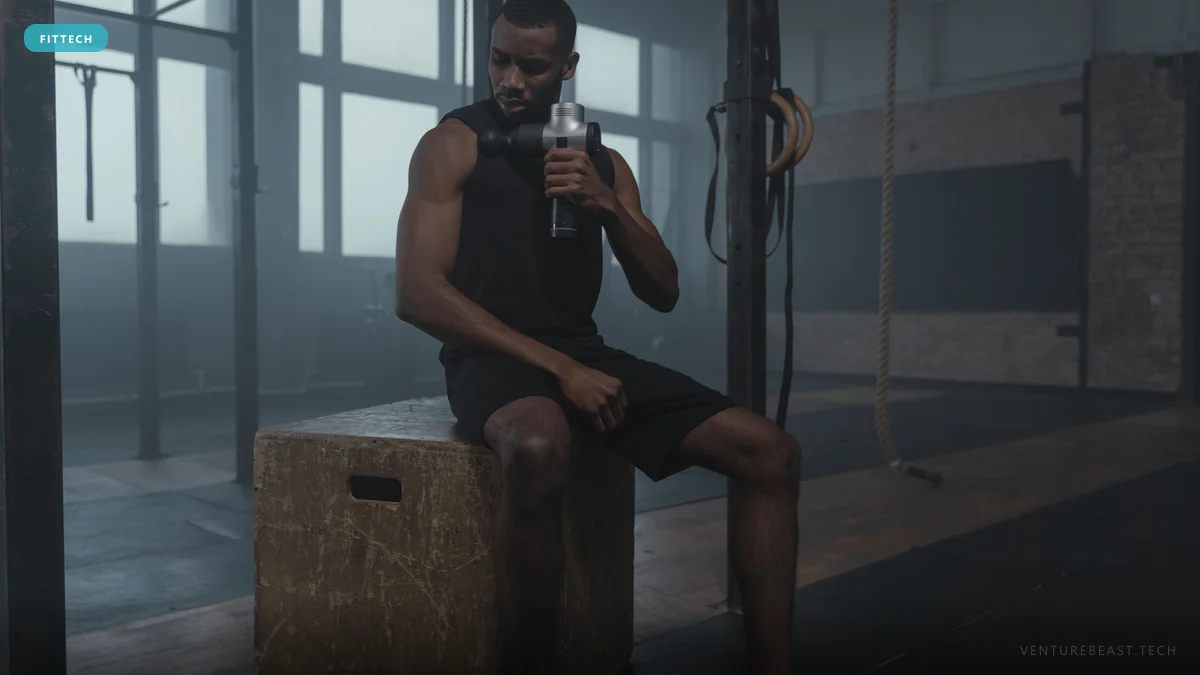
Hyperice's Normatec is the compression-therapy category's gold standard, built specifically around precision — seven pressure levels, smoothly overlapping compression zones, and fine-tuned intensity control. Therabody has built something structurally different: a broader recovery ecosystem spanning percussion (Theragun), compression (JetBoots), vibration, and infrared therapy across one connected product line. The two companies aren't really competing on the same axis — Hyperice wins on compression-specific precision, Therabody wins on modality breadth.
Both companies now sit inside the same corporate structure in a meaningful sense — Hyperice acquired Normatec years ago and continues to market it as a distinct premium line — which makes "Therabody vs Hyperice Normatec" less a battle between rival startups and more a comparison between two mature, well-funded product philosophies competing for the same recovery-conscious athlete and consumer.
Compression: Normatec's precision vs JetBoots' portability
| Normatec 3 / Elite | Therabody RecoveryAir JetBoots | |
|---|---|---|
| Pressure levels | 7 | 4 |
| Compression pattern | Smoothly overlapping zones, consistent pressure gradients | Multi-zone compression, less smooth transitions |
| Control | Bluetooth via Hyperice app, fine-tuned intensity | Simpler direct controls, rapid compression cycles |
| Battery life (top tier) | Up to 4 hours | Shorter, prioritizes portability |
| Additional modalities | Compression-focused, minimal extras | PRO Plus adds vibration and infrared therapy |
| Top-tier price | ~$1,099 (Normatec Elite) | ~$1,149 (JetBoots PRO Plus) |
Independent testing confirms the precision gap — Normatec's seven pressure levels and smoothly overlapping compression zones represent the more clinically refined compression experience, which is why Normatec remains the standard in professional sports training rooms. Therabody's JetBoots trade some of that precision for portability and speed — faster compression cycles and a form factor built around travel and quick post-workout use rather than a dedicated, longer recovery session.

Percussion: Theragun's category dominance
In percussion massage — the deep-tissue "massage gun" category Theragun essentially created and continues to lead — Therabody has no direct Hyperice equivalent at the same tier. The Theragun PRO Plus delivers 40 pounds of percussive force with 6 interchangeable attachments and the deepest stroke length in the category, positioning it as the professional-grade option for athletes and physical therapists rather than a casual consumer device. Hyperice does sell its own percussion device (Hypervolt), but the category conversation in 2026 remains dominated by Theragun as the reference product.
The full recovery-tech landscape beyond these two brands
A broader 2026 recovery-tech comparison includes categories beyond percussion and compression: Vasper (a compression-plus-cooling system used for accelerated recovery protocols in performance-focused gyms), ARX (adaptive resistance exercise equipment with a recovery-adjacent training philosophy), and sauna blankets (a lower-cost, portable heat-therapy alternative to full infrared sauna cabins, and a smaller-footprint cousin of the home sauna and cold-plunge trend we covered in the cold plunge and sauna boom). None of these directly competes with Therabody or Hyperice's core compression/percussion categories, but they're part of the same broader consumer shift toward at-home recovery infrastructure that used to require a specialist sports-medicine facility.
The economics of this shift are notable. A season-ticket-holder-grade compression system that would have required a $150-per-session visit to a sports-recovery clinic five years ago is now a one-time $1,000-1,150 purchase that pays for itself within a single season of regular use. That price compression — pun intended — is the underlying business story behind the entire recovery-tech category's growth: professional-grade modalities becoming affordable enough for serious amateur athletes and recovery-conscious general consumers, not just funded professional teams.

How to choose
- Want the most precise, clinically refined compression experience: Normatec. Seven pressure levels and the smoothest compression-zone transitions in the category are why it remains the professional-sports standard.
- Want a broader recovery ecosystem across percussion, compression, heat, and vibration: Therabody. The connected product line and app integration make it the more versatile single-brand recovery investment.
- Need portable compression for travel: JetBoots' faster cycle times and portability-first design win over Normatec's more deliberate, precision-focused session length.
- Percussion/deep-tissue massage is the priority: Theragun PRO Plus remains the category-leading device regardless of which compression system you also own.
Recovery devices are a complementary category to the wearable-tracking devices covered in our smart ring comparison — trackers measure recovery status, these devices actively intervene to accelerate it. Athletes increasingly run both categories together as a closed loop: track readiness, apply targeted recovery intervention, re-measure.
The bottom line
Normatec vs Therabody in 2026 isn't really a rivalry — it's two different recovery philosophies serving overlapping but distinct needs. Choose Normatec for the most precise compression therapy available in a consumer device; choose Therabody for a broader recovery ecosystem that bundles percussion, compression, and additional modalities into one connected product line. Serious athletes and recovery-focused consumers increasingly own devices from both approaches rather than picking one exclusively.
Frequently Asked Questions
Is Normatec owned by Therabody or Hyperice?
Normatec is owned by Hyperice, which acquired the brand and continues to market it as a distinct premium compression-therapy product line. Therabody is a separate company best known for the Theragun percussion massage device, and also sells its own compression product (RecoveryAir JetBoots) as part of a broader recovery ecosystem.
Which compression boots have more pressure levels, Normatec or JetBoots?
Normatec offers 7 pressure levels compared to 4 on Therabody's RecoveryAir JetBoots. Independent testing found Normatec's compression zones overlap more smoothly with more consistent pressure gradients, while JetBoots prioritizes faster compression cycles and portability over the same level of precision control.
How much do professional-grade recovery devices cost?
Top-tier compression systems run approximately $1,000-$1,150 — Normatec Elite is priced around $1,099, and Therabody's JetBoots PRO Plus around $1,149. The Theragun PRO Plus percussion device is separately priced, typically in the $400-$600 range depending on configuration. Lower-tier models from both brands are available at reduced price points with fewer pressure levels or percussion attachments.
What is the Theragun PRO Plus's percussive force?
The Theragun PRO Plus delivers 40 pounds of percussive force with 6 interchangeable attachments and the deepest stroke length in the percussion-massage category, positioning it as a professional-grade device used by athletes and physical therapists rather than a casual entry-level massage gun.
Do I need both a compression device and a percussion device?
They target different recovery mechanisms — compression promotes circulation and lymphatic drainage through sequential graduated pressure, while percussion massage targets localized muscle tension and trigger points through rapid mechanical pulses. Many athletes and recovery-focused consumers use both as complementary tools rather than choosing one exclusively, since they address different aspects of post-exercise recovery.
Enjoying this article?
Get more strategic intelligence delivered to your inbox weekly.
Enjoyed this article?
VentureBeast.Tech is independent and reader-supported. If this saved you time, you can buy us a coffee — it keeps the research deep and the site ad-light.
Support us on Ko-fi

Comments (0)
No comments yet. Be the first to share your thoughts!