This article may contain affiliate links. We may earn a small commission at no extra cost to you if you make a purchase through these links.
Cold Plunge + Sauna Boom 2026: Home Recovery Tech
The 2026 contrast therapy protocol: 15-20 min sauna, 2-3 min cold plunge, repeat 2-3x. The evidence is real but more modest than the marketing implies.
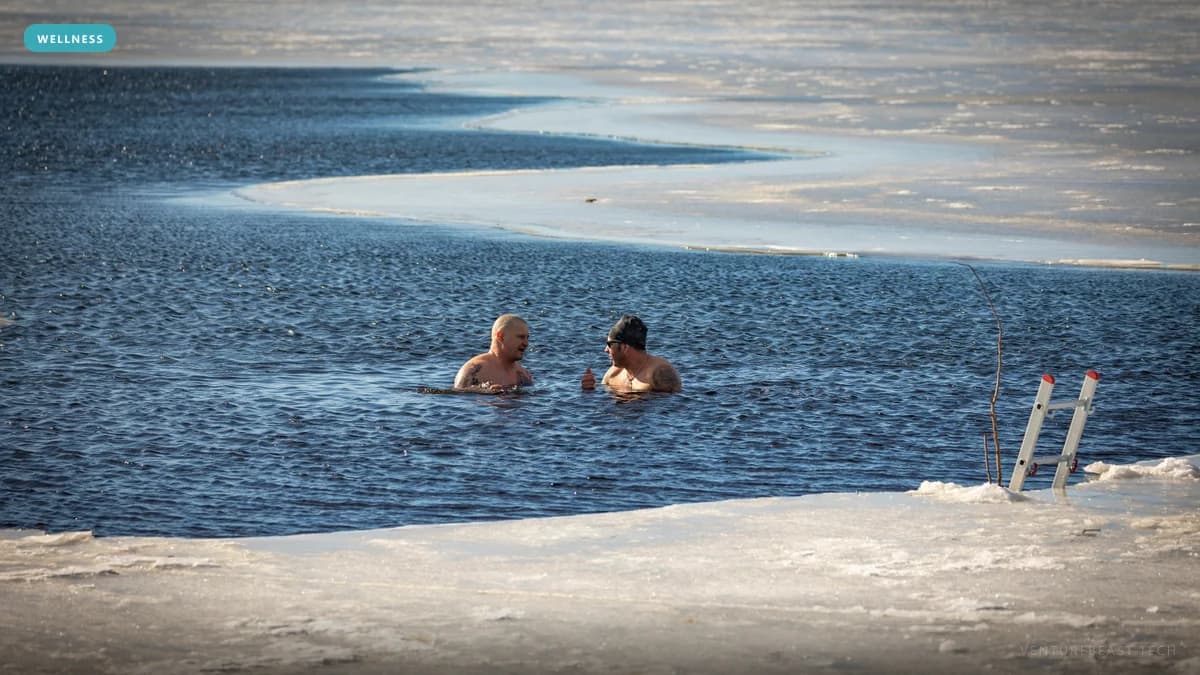
Backyard cold plunges and home saunas — the wellness trend that defined 2024–25 and continues to expand in 2026 — are no longer the exclusive province of elite athletes and biohackers. The hardware market has matured around Plunge ($4,990+), Cold Stoic ($2,790+), and Renu Therapy ($6,000+) for cold plunges; Sun Home Saunas, Clearlight, and Almost Heaven for residential infrared and traditional saunas. The published evidence base is real but more modest than the marketing implies — measurable reductions in muscle soreness, modest cardiovascular benefits, and inconsistent claims about everything else.
The 2026 contrast-therapy protocol that emerged from the elite-athlete community has standardized: 15–20 minutes in a sauna at 160–190°F, followed by 2–3 minutes in cold water at 50–59°F, repeated 2–3 times per session. The protocol drives roughly 20% reductions in delayed-onset muscle soreness, ~25% acceleration in subjective recovery, and a 40% increase in heat-shock protein production. These are real numbers; what's overstated in the marketing is the "longevity" and "metabolic transformation" claims, which the published evidence does not strongly support.
The hardware market in 2026
| Category | Entry-level product | Premium product | Typical 5-year operating cost |
|---|---|---|---|
| Cold plunge — chest freezer DIY | ~$300–$500 hardware | — | $150–$300 (electricity) |
| Cold plunge — purpose-built | Cold Stoic ($2,790) | Plunge Pro Series ($9,990) | $300–$600 (electricity + filter) |
| Infrared sauna — small home | SereneLife / Dynamic ($1,200) | Clearlight Sanctuary ($6,500) | $150–$400 (electricity) |
| Traditional barrel sauna outdoor | Almost Heaven 2-person ($4,000) | Sun Home Outdoor 4-person ($9,500) | $200–$500 (electricity or wood) |
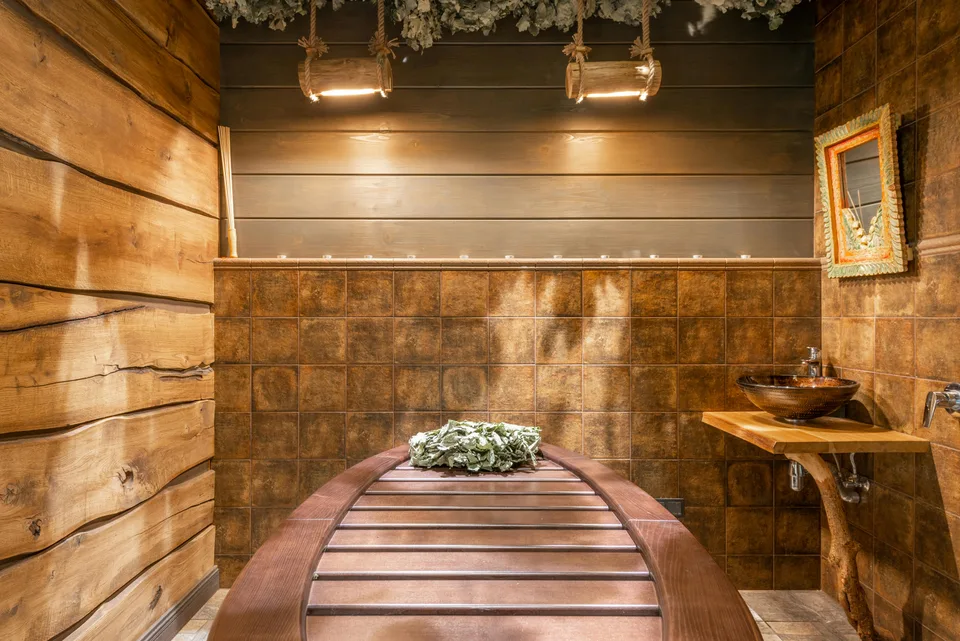
Three product tiers serve different buyers. DIY chest-freezer cold plunge — a $300–$500 freezer with a basic temperature controller — produces the same physiological effect as a $5,000 purpose-built unit. The trade-off is hardware quality, water filtration, and the convenience of a maintained device. Purpose-built cold plunges (Plunge, Cold Stoic, Renu Therapy) include water filtration, temperature regulation, and increasingly durable construction at the $3,000–$10,000 tier. Infrared and traditional saunas serve the heat side of the protocol with different aesthetic and functional profiles — infrared at 120–150°F, traditional Finnish at 160–200°F.
The evidence — what's real, what's overstated
The published research on cold immersion and sauna use has matured significantly since 2020. Three findings are well-established:
- Cold immersion reduces delayed-onset muscle soreness by approximately 20% when used post-exercise. The effect is dose-dependent — 2–3 minutes at 50–59°F produces the documented benefit; longer durations at lower temperatures don't add proportional benefit and may impair training adaptation.
- Regular sauna use (4+ sessions per week) correlates with reduced all-cause mortality in large Finnish epidemiological cohorts. The effect size is meaningful — roughly 30% reduction in cardiovascular mortality and similar reductions in dementia risk in the highest-use cohort. Whether this is causal or simply marks an active lifestyle is debated; the correlation is robust across multiple studies.
- Contrast therapy (alternating heat and cold) produces subjective improvements in recovery, alertness, and stress reactivity. The "vascular workout" mechanism (rapid vasoconstriction and vasodilation) is real and plausible; the long-term cardiovascular adaptations from contrast therapy specifically remain understudied.
What's overstated in the marketing:
- "Increased metabolic rate / brown fat / weight loss" — the effect is real but small. Brown fat activation from cold exposure produces approximately 100–250 extra calories per session in published research, not the "fat-burning miracle" marketing suggests.
- "Hormesis / longevity / 'cellular cleanup'" — the mechanistic stories about heat-shock proteins and cold-induced autophagy are real, but the translation to clinical longevity outcomes is speculative. The Finnish sauna mortality data is the strongest evidence; cold-plunge-specific longevity claims rest on much thinner evidence.
- "Improves all physical performance" — cold immersion immediately post-strength training actually blunts training adaptation. The published evidence: athletes should avoid cold immersion in the first 4–6 hours after hypertrophy-focused strength work to preserve the inflammatory signaling needed for muscle growth. Endurance recovery is less affected.
How to actually use the protocols
For users committing to home recovery infrastructure:
- Cold plunge alone: 2–3 minutes at 50–59°F (10–15°C), 3–5 sessions per week. Time the session at least 4–6 hours after strength training to preserve training adaptation. Acceptable timing post-cardio or rest days.
- Sauna alone: 15–20 minutes at 160–190°F (70–88°C) for traditional Finnish; 25–35 minutes at 120–150°F for infrared. 3–5 sessions per week. The Finnish epidemiology data supports 4+ sessions per week for the strongest long-term outcomes.
- Contrast therapy (sauna + cold plunge): 15–20 minutes sauna, 2–3 minutes cold plunge, repeated 2–3 times per session. Most commonly used post-workout or as a dedicated recovery session 2–3 times per week.
- Morning protocol: 2–3 minute cold plunge first thing in the morning produces a measurable alertness and dopamine response — increasingly popular as a "wake up better than coffee" routine. Don't combine with the sauna in the morning; save heat for evening or post-workout.
Who should actually invest, and at what tier
- Serious athletes managing high-volume training and recovery: Yes — purpose-built cold plunge (Plunge or Cold Stoic at $2,790–$4,990) plus an indoor or outdoor sauna. The recovery and inflammation-management value justifies the investment for users actually using the equipment 4+ times per week.
- Health-and-longevity-focused users in their 40s+: Sauna alone is more evidence-backed than cold plunge alone. A residential infrared or outdoor barrel sauna at $4,000–$9,500 is a defensible investment for users who will commit to 4+ sessions per week for the Finnish-data longevity argument.
- Curious newcomers trying to validate the practice: Start with a gym or wellness-center membership offering contrast therapy. Costs $50–$200 per month vs $5,000+ upfront for home installation. Validate the practice for 6+ months before committing to home hardware.
- Apartment dwellers or small-space living: Mid-size infrared sauna ($1,200–$2,500) fits indoor placement. Cold plunges generally don't — the space, weight, and water-management requirements favor purpose-built outdoor installations.
- Budget-constrained but committed users: The DIY chest-freezer cold plunge ($300–$500) genuinely works. Pair with a gym sauna or portable infrared sauna blanket ($300–$600). Total budget under $1,000 for a credible setup.
The broader wellness-tech context, as covered in our analyses of sleep tracker shootout, recovery wearables tested, and breathwork wearables, is that consumer recovery infrastructure has matured rapidly — wearable data, environmental interventions, and now physical recovery hardware (cold plunge, sauna) all reach the consumer market at credible cost points. The 2026 "longevity stack" is real; the marketing claims around it remain more aggressive than the evidence supports.
The bottom line
The cold plunge and sauna boom is grounded in real but modest evidence. Cold immersion reduces muscle soreness ~20%; sauna use correlates with meaningful cardiovascular and dementia mortality reduction in Finnish data; contrast therapy produces subjective and measurable recovery benefits. The marketing overstates the longevity and metabolic claims. The hardware is now affordable enough at the budget tier ($500–$1,500) that serious users can justify the investment without the premium-brand markup. For most users, the practice produces real wellbeing gains; for elite athletes, the timing matters around training adaptation; for everyone, validation through a gym or wellness-center trial before home installation is the smart sequence.
Frequently Asked Questions
What's the optimal cold plunge protocol?
The standard protocol is 2–3 minutes at 50–59°F (10–15°C), 3–5 sessions per week. Lower temperatures (45°F and below) don't add proportional benefit and increase the discomfort and cardiovascular stress without clear additional gains. Longer durations (5+ minutes) also don't improve outcomes; the published research consistently shows the 2–3 minute window captures most of the benefit. For contrast therapy, 2–3 minutes of cold follows 15–20 minutes of sauna, repeated 2–3 times per session.
Are home cold plunges worth the cost?
For users who will actually use the equipment 4+ times per week, yes — purpose-built cold plunges at $2,790–$4,990 (Cold Stoic, Plunge) deliver real recovery value over multi-year ownership. For users uncertain about commitment, a gym or wellness-center membership ($50–$200/month) is the lower-risk path to validate the practice first. The DIY chest-freezer approach ($300–$500 hardware) produces the same physiological effect at the budget tier — the premium products buy convenience, water filtration, and aesthetics, not better physiology.
Should I avoid cold plunging after strength training?
For users specifically training for muscle hypertrophy or maximum strength gains, yes — avoid cold immersion in the first 4–6 hours after strength training. The published evidence shows post-strength cold immersion blunts the inflammatory signaling that drives muscle adaptation. Cold immersion is fine after cardiovascular training, on rest days, or 4+ hours after strength work. Some athletes also schedule cold plunges before sleep on training days rather than immediately post-workout.
What's the difference between infrared and traditional saunas?
Traditional Finnish saunas heat the air to 160–200°F (70–95°C) using a wood or electric heater; the body heats through convection from the hot air. Infrared saunas use radiant infrared panels to heat the body directly at lower air temperatures (120–150°F). Most published evidence — particularly the Finnish mortality cohorts — is for traditional sauna use. Infrared is more accessible (lower install cost, fits indoors, no humidity), and the limited published data on infrared is directionally similar but less comprehensive. For evidence-based health benefits, traditional Finnish sauna has the deeper data.
Does cold plunging help you lose weight?
Marginally — brown fat activation from cold exposure produces approximately 100–250 extra calories burned per session in the published research, not the "fat-burning miracle" some marketing implies. Over a year of 3–4 weekly cold plunges, the cumulative caloric expenditure is in the range of 15,000–40,000 calories, which translates to roughly 4–11 pounds of theoretical fat loss if no compensatory eating occurs. Most users do consume slightly more after cold exposure, which reduces the net effect. Cold plunging is not a primary weight-loss intervention; it can be a useful adjunct to other practices.
Enjoying this article?
Get more strategic intelligence delivered to your inbox weekly.
Enjoyed this article?
VentureBeast.Tech is independent and reader-supported. If this saved you time, you can buy us a coffee — it keeps the research deep and the site ad-light.
Support us on Ko-fi

Comments (0)
No comments yet. Be the first to share your thoughts!