This article may contain affiliate links. We may earn a small commission at no extra cost to you if you make a purchase through these links.
Smart Ring War 2026: Oura, Galaxy Ring, Ultrahuman
Oura and Ultrahuman closely match clinical EEG sleep data. Samsung's Galaxy Ring doesn't. Here's how the subscription-vs-free smart ring war shakes out.
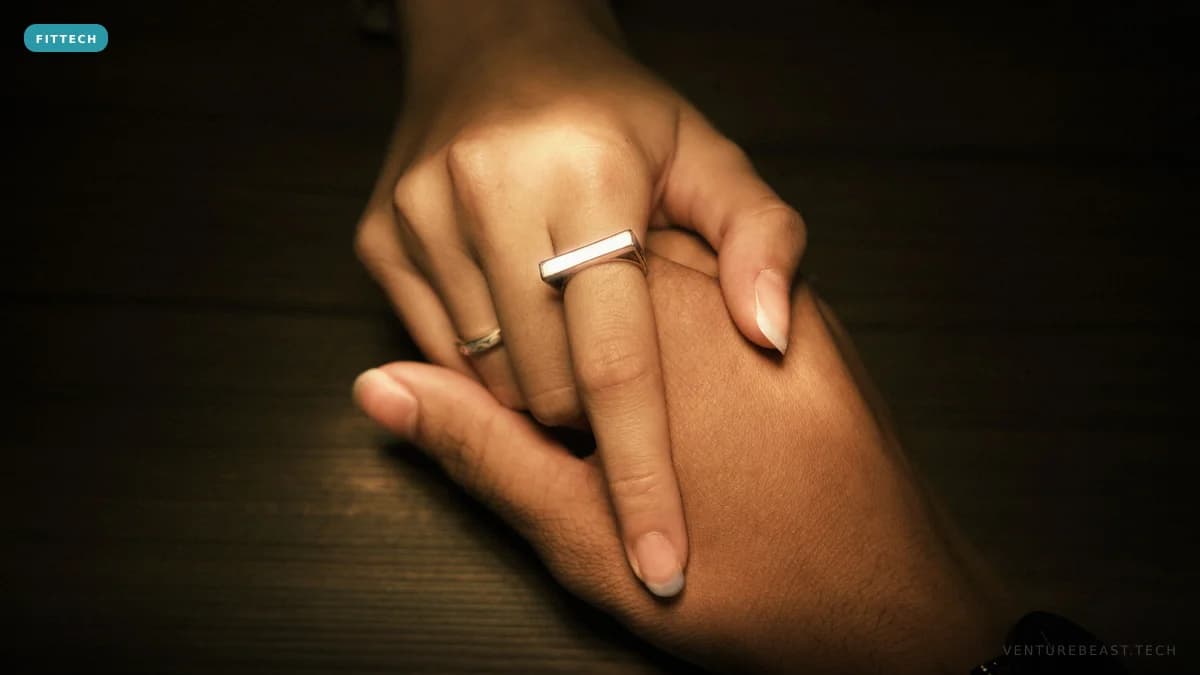
The smart ring category has split into two clear philosophies in 2026: Oura, the polished incumbent that requires a subscription for full insight access, and Ultrahuman Ring Air plus Samsung Galaxy Ring, both of which compete explicitly on being subscription-free. Independent testing against clinical EEG sleep-staging data shows Oura and Ultrahuman closely matching the gold standard, while Samsung's sleep algorithm has shown material inaccuracies — including penalizing users for sleeping longer. The category leader on data quality is not automatically the category leader on value.
All three rings track the same core signal set — heart rate, heart rate variability, skin temperature, sleep staging, activity — using photoplethysmography (PPG) sensors embedded in a titanium ring body. The differentiation in 2026 comes down to three things: subscription model, ecosystem lock-in, and algorithm accuracy, and the three vendors have made genuinely different bets on all three axes.
The core trade-off: subscription vs ecosystem vs independence
| Ring | Subscription required? | Battery life | Ecosystem lock-in | Sleep-tracking accuracy (vs EEG) |
|---|---|---|---|---|
| Oura Ring (Gen 4) | Yes, for full feature access | 4-7 days | None — works with any phone | Closely matches EEG; industry benchmark |
| Samsung Galaxy Ring | No monthly fee | Up to 7 days (extends ~30% paired with Galaxy Watch) | Samsung phone required; deep Galaxy Watch integration | Inconsistent — documented cases of miscounting extended sleep |
| Ultrahuman Ring Air | No — explicitly subscription-free positioning | 4-6 days | None — works with any phone | Closely matches EEG, comparable to Oura |
Oura's subscription model ($5.99–$9.99/month depending on region and plan) has been the most consistent point of consumer friction since the Gen 3 launch. The hardware purchase alone ($299–$549 depending on finish) doesn't unlock the full insight layer — trends, readiness scoring depth, and several premium features sit behind the ongoing fee. Both competitors have built their go-to-market explicitly around not doing this.
What the accuracy testing actually found
Independent comparative testing against clinical-grade EEG sleep-staging — the actual medical gold standard for measuring sleep architecture — produced a clear split. Oura and Ultrahuman both closely tracked EEG data, with only minor discrepancies in sleep-stage transition timing — the kind of error margin expected from any consumer wearable using indirect physiological signals rather than direct brainwave measurement.
Samsung's Galaxy Ring showed more significant deviation. The most-cited failure case: the ring's algorithm penalized a tester's readiness/recovery score for sleeping longer than usual (9 hours), treating extended sleep as a negative signal rather than correctly interpreting context (illness recovery, weekend catch-up sleep, etc.). This is an algorithm-tuning issue rather than a fundamental hardware limitation — Samsung's sensor package is comparable to the other two — but it's a real, documented accuracy gap as of this testing cycle.
Feature depth — where each ring actually differs
Beyond the core vitals, the three rings diverge on specialized features. Oura leads on actionable insight presentation — the Readiness Score and Sleep Score framing, combined with trend analysis over weeks and months, is widely considered the most refined consumer health-data UX in the wearables category. Ultrahuman differentiates on metabolic health — the Ring Air integrates with continuous glucose monitor data (via Ultrahuman's own CGM product or third-party integration) for a combined metabolic-and-recovery view, which neither Oura nor Samsung matches natively. Samsung differentiates on ecosystem depth — Galaxy Watch pairing extends battery life roughly 30% and combines ring-plus-watch sensor data for a more complete daily picture, but only for Samsung phone owners.
How to choose
- Want the most polished, most-studied insight experience and don't mind a subscription: Oura. It remains the reference implementation the rest of the category is measured against, and its trend/readiness UX is genuinely more useful than raw data dumps.
- Hate recurring fees, want clinically-comparable accuracy: Ultrahuman Ring Air. Matches Oura's EEG-validated sleep accuracy without the subscription, plus the metabolic-health integration is a genuine differentiator for users tracking glucose alongside recovery.
- Already deep in the Samsung ecosystem (Galaxy phone + watch): Galaxy Ring, with the caveat that you should manually verify sleep-duration readings against how you actually feel — the documented algorithm inconsistency is real enough to watch for.
- Budget-constrained or first-time ring buyer: Consider RingConn or Luna (not compared in depth here) as lower-cost, subscription-free entry points before committing to the premium tier.
This category sits alongside the broader wearable recovery landscape we've documented in our future of wearable tech coverage and our fitness app monetization analysis — the subscription-vs-one-time-purchase tension playing out in smart rings mirrors the exact same tension reshaping fitness apps broadly.
The bottom line
The smart ring war in 2026 isn't really about hardware — all three use comparable PPG sensor packages in comparable titanium form factors. It's about business model and algorithm maturity. Oura's subscription buys the most refined insight layer; Ultrahuman matches that data quality for free with a metabolic-health bonus; Samsung buys deep ecosystem integration at the cost of documented sleep-tracking inconsistency. None of the three is objectively wrong — pick based on whether you value polish, independence, or ecosystem depth most.
Frequently Asked Questions
Does the Oura Ring require a subscription?
Yes — while you can purchase the Oura Ring hardware outright ($299–$549), full access to trend analysis, deeper readiness scoring, and several premium features requires an ongoing subscription of $5.99–$9.99 per month depending on region and plan. This is the single biggest point of consumer friction against Oura and the explicit differentiator both Samsung and Ultrahuman market against.
Which smart ring is most accurate for sleep tracking?
Independent testing against clinical EEG sleep-staging data found Oura and Ultrahuman Ring Air both closely matched the gold-standard measurement, with only minor discrepancies typical of any indirect physiological sensor. Samsung Galaxy Ring showed more significant inaccuracies in the same testing, including a documented case of penalizing a user's readiness score for sleeping longer than usual.
Do smart rings work with any smartphone?
Oura and Ultrahuman Ring Air both work with any iOS or Android phone with no ecosystem restriction. Samsung Galaxy Ring requires a Samsung Galaxy phone and offers its deepest functionality (including extended battery life) when paired with a Samsung Galaxy Watch — it is not designed for use outside the Samsung ecosystem.
How long does a smart ring battery last?
Samsung Galaxy Ring is rated for up to 7 days per charge, extendable roughly 30% when paired with a Galaxy Watch. Oura Ring Gen 4 lasts 4-7 days depending on usage. Ultrahuman Ring Air is rated for 4-6 days. All three are meaningfully longer-lasting than most smartwatches, which is the core appeal of the ring form factor for continuous sleep tracking.
What is the metabolic-health feature on Ultrahuman Ring Air?
Ultrahuman Ring Air integrates with continuous glucose monitor (CGM) data — either from Ultrahuman's own CGM product or compatible third-party devices — to combine blood-glucose trends with recovery and sleep metrics in a unified metabolic-health view. Neither Oura nor Samsung Galaxy Ring offers a comparably deep native CGM integration as of 2026.
Enjoying this article?
Get more strategic intelligence delivered to your inbox weekly.
Enjoyed this article?
VentureBeast.Tech is independent and reader-supported. If this saved you time, you can buy us a coffee — it keeps the research deep and the site ad-light.
Support us on Ko-fi
Comments (0)
No comments yet. Be the first to share your thoughts!