This article may contain affiliate links. We may earn a small commission at no extra cost to you if you make a purchase through these links.
Red-Light Therapy 2026: Joovv vs TheraFace Compared
Joovv's body panels target recovery and inflammation. TheraFace's facial masks have a 104-person clinical study for skin appearance. Not the same product.
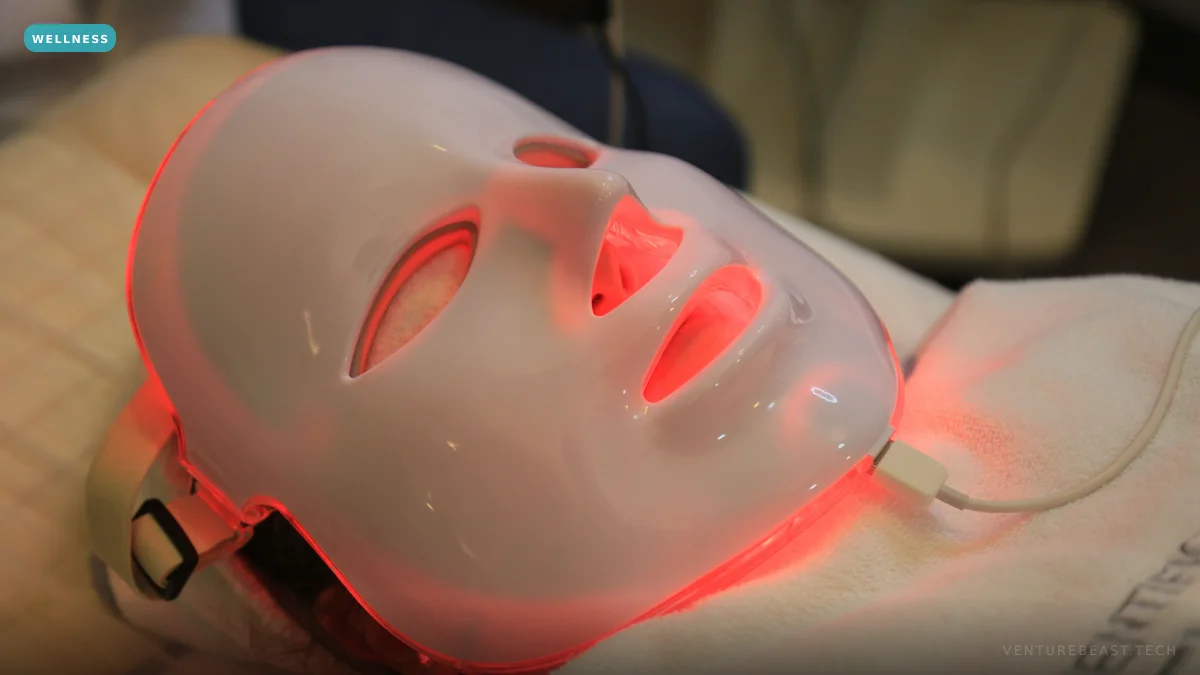
Red-light therapy — clinically termed photobiomodulation — has moved from fringe biohacking curiosity to a genuinely evidence-backed wellness category, anchored by two specific wavelengths: 660nm red light, which penetrates surface skin tissue, and 850nm near-infrared light, which reaches deeper into muscle and joint tissue. Joovv and Therabody's TheraFace aren't direct competitors so much as two different form factors within the same underlying science — Joovv builds whole-body panels, TheraFace builds facial-specific masks and handheld devices — and the right choice depends entirely on whether you're treating your whole body or specifically your face.
The evidence base is unusually strong for a consumer wellness category. Photobiomodulation research spans more than a thousand peer-reviewed studies, and the 660nm/850nm combination is the most clinically validated wavelength pairing in the field — most legitimate red-light devices, regardless of brand, converge on this same core wavelength science because it's what the research actually supports.
Joovv — whole-body panels for recovery and systemic benefit
Joovv's product line centers on wall-mounted or freestanding LED panels designed to treat large areas of the body simultaneously — full torso, back, or legs in a single session. The company's devices deliver both 660nm and 850nm wavelengths, and Joovv has built its brand credibility on citing the underlying peer-reviewed research base rather than making unsubstantiated claims, including publishing content specifically calling out misleading power and dosage claims that some competitors in the space have made.
The documented benefit categories for whole-body red/near-infrared exposure include faster muscle recovery post-exercise, reduced inflammation and pain, improved mitochondrial function (the cellular energy-production mechanism photobiomodulation is theorized to enhance), better wound healing, and — per newer research — some evidence for improved visual function. This is squarely a recovery-and-systemic-wellness use case, positioning Joovv alongside the percussion-massage and compression-therapy devices we covered in our recovery wearables analysis — though red-light therapy is a passive treatment device category rather than a wearable tracker.
TheraFace — facial-specific devices with the largest published LED-mask study
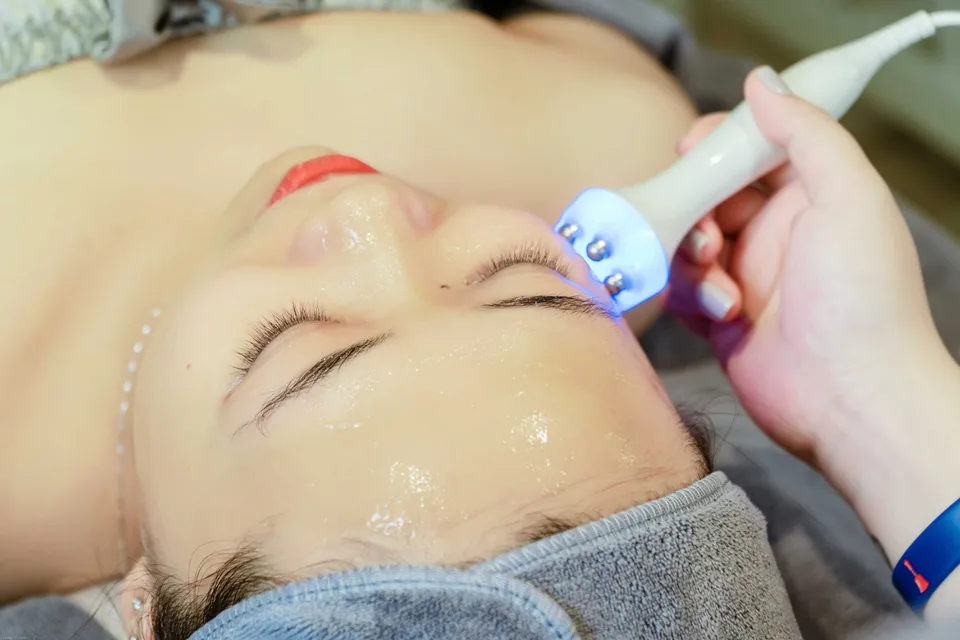
Therabody's TheraFace line takes a fundamentally different approach: facial-specific masks and handheld devices concentrating red and near-infrared LEDs on the face rather than treating large body surface areas. Therabody has published what it describes as the largest clinical study of LED masks on the market for its TheraFace Mask Glo product — a 12-week study with 104 participants that documented improvements in fine lines and wrinkles, and measurable gains in skin radiance, firmness, dark-spot reduction, tone, texture, and overall evenness.
This scale of clinical evidence — a 104-person, 12-week controlled study — is genuinely unusual for consumer beauty-tech devices, most of which cite either no independent clinical data or much smaller pilot studies. The 660nm wavelength's strongest evidence specifically covers skin-level benefits (collagen synthesis, wound healing, inflammatory skin conditions), which is exactly the mechanism a facial mask is designed to exploit — TheraFace's form factor is purpose-built around the wavelength science that most directly supports skin outcomes.
Side-by-side comparison
| Joovv (body panels) | TheraFace Mask Glo (facial device) | |
|---|---|---|
| Form factor | Wall-mounted or freestanding LED panel | Wearable LED face mask |
| Primary target area | Whole body — torso, back, legs | Face specifically |
| Wavelengths | 660nm red + 850nm near-infrared | 660nm red-dominant (facial skin focus) |
| Published clinical evidence | Cites broad photobiomodulation research base (1,000+ studies) | Dedicated 104-participant, 12-week clinical study |
| Primary use case | Muscle recovery, systemic inflammation, mitochondrial support | Fine lines, skin radiance, firmness, tone |
| Price range | $300-$2,300+ depending on panel size | $400-$600 |
What the evidence does and doesn't support
It's worth being precise about what "clinically proven" means in this category. Photobiomodulation research is genuinely substantial and peer-reviewed, and the 660nm/850nm wavelength combination has real mechanistic support (interaction with mitochondrial cytochrome c oxidase, which plausibly explains the claimed cellular-energy benefits). But individual consumer devices vary enormously in actual light output (irradiance), treatment distance requirements, and session duration — a device with insufficient power output at the recommended distance won't deliver the dose used in the underlying research, regardless of how well-supported the wavelength science is. This is precisely the concern Joovv's own consumer-education content addresses regarding misleading power claims across the category.
The category sits within the broader shift toward passive-recovery devices that we've tracked alongside the cold-plunge and sauna boom — consumer wellness spending is increasingly flowing toward at-home devices that replicate what used to require a specialist clinic visit.
How to choose
- Athletes and fitness enthusiasts prioritizing recovery: Joovv or a comparable whole-body panel — the systemic recovery and anti-inflammatory use case is what body-panel devices are built for.
- Primary interest is skin appearance and anti-aging: TheraFace Mask Glo or a comparable facial-specific device — the dedicated clinical study specifically validates skin-appearance outcomes at a scale most competitors haven't matched.
- Budget-constrained, want to try the category before committing: Smaller handheld red-light devices exist at lower price points from both companies and third parties — verify published irradiance specs before buying, since underpowered devices won't replicate clinical-study results.
- Want both benefits: Many users in the biohacking community run both a body panel and a facial device as complementary tools rather than choosing one — the wavelength science and mechanism are the same, just applied to different body areas.
The bottom line
Red-light therapy is one of the more evidence-backed corners of the consumer wellness-tech category, but "Joovv vs TheraFace" is a false head-to-head — they're solving different problems with the same underlying wavelength science. Joovv's whole-body panels target systemic recovery and inflammation; TheraFace's facial devices target skin appearance with an unusually robust dedicated clinical study behind the flagship Mask Glo product. Pick based on which specific outcome you're after, and regardless of brand, verify the device's actual published irradiance and recommended treatment distance rather than trusting marketing claims alone.
Frequently Asked Questions
What wavelengths does red light therapy use?
The two clinically validated wavelengths are 660nm (visible red light, which penetrates surface skin tissue and has the strongest evidence for skin-level benefits like collagen synthesis and wound healing) and 850nm (near-infrared light, invisible to the eye, which penetrates deeper into muscle and joint tissue for systemic and recovery benefits). Most legitimate red-light devices, including both Joovv and TheraFace, are built around this same wavelength science.
Is Joovv or TheraFace better for anti-aging?
TheraFace's Mask Glo has a dedicated clinical study — 104 participants over 12 weeks — specifically documenting improvements in fine lines, wrinkles, skin radiance, firmness, and tone. Joovv's body panels are designed for whole-body treatment and cite the broader photobiomodulation research base rather than a facial-specific clinical study. For a primarily skin-appearance use case, TheraFace's dedicated facial focus and published study make it the more directly targeted choice.
How long does a red light therapy session take?
Most consumer devices, both body panels and facial masks, recommend session lengths of 10-20 minutes, typically used 3-5 times per week for measurable results. Actual required dose depends on the device's specific irradiance output — lower-powered devices may require longer sessions to deliver an equivalent dose to what was used in the underlying clinical research.
Does red light therapy actually work, or is it marketing hype?
The underlying science (photobiomodulation) is genuinely peer-reviewed and spans more than a thousand published studies, with real mechanistic plausibility (interaction with mitochondrial cytochrome c oxidase). However, individual consumer product claims vary in rigor — some brands cite the broad research base without device-specific validation, while others like TheraFace have invested in dedicated clinical trials for their specific product. Verify a device's actual published irradiance and any device-specific clinical evidence before assuming marketing claims match the underlying research.
Can I use red light therapy on my whole body and face?
Yes — there's no contraindication to using both a body panel and a facial-specific device, and many users in the wellness and biohacking community do both, since the wavelength science and mechanism are the same across body areas. The main practical consideration is simply that facial skin is generally more sensitive, so facial-specific devices are calibrated with output levels and treatment distances appropriate for that use.
Enjoying this article?
Get more strategic intelligence delivered to your inbox weekly.
Enjoyed this article?
VentureBeast.Tech is independent and reader-supported. If this saved you time, you can buy us a coffee — it keeps the research deep and the site ad-light.
Support us on Ko-fi

Comments (0)
No comments yet. Be the first to share your thoughts!