This article may contain affiliate links. We may earn a small commission at no extra cost to you if you make a purchase through these links.
AI Drug Discovery 2026: Insilico, Isomorphic, Recursion
Eli Lilly committed $4.5B+ to Insilico and Isomorphic Labs. 200+ AI-discovered drugs are in trials. Zero are FDA-approved yet. Here's the real scorecard.
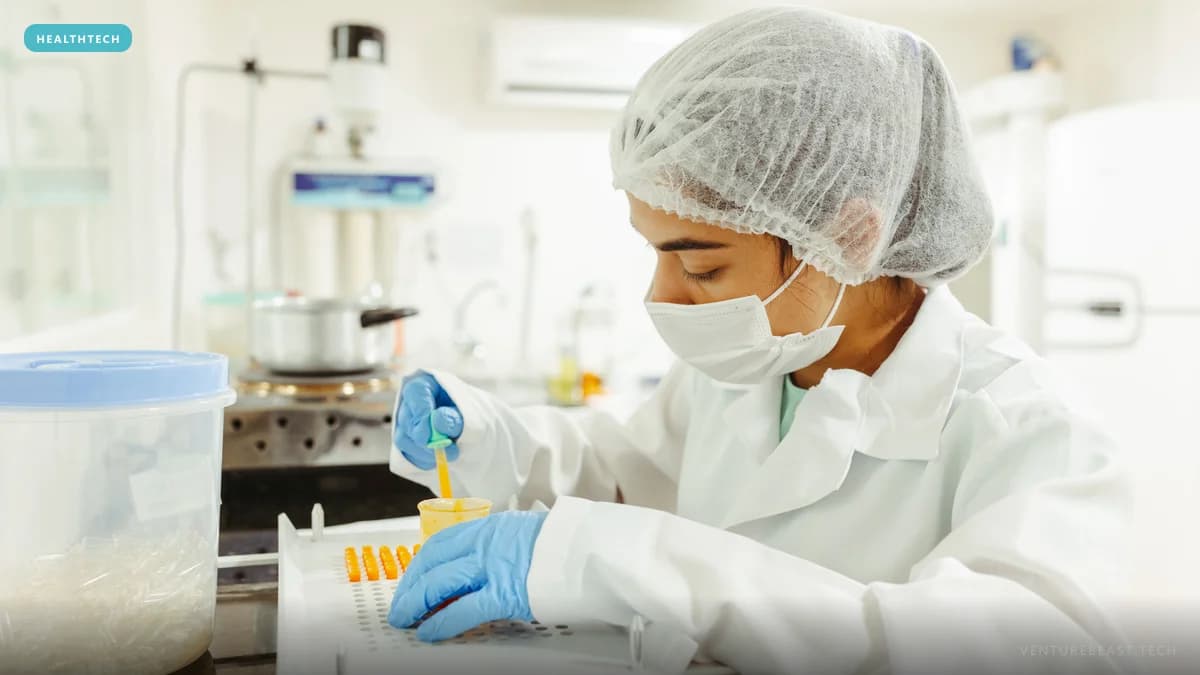
AI drug discovery crossed into serious pharma-industry validation in March 2026, when Eli Lilly signed a collaboration with Insilico Medicine worth up to $2.75 billion — the largest AI-era pharma deal in history. Lilly separately signed a $1.75 billion pact with Isomorphic Labs, the Alphabet-spun-out company built on DeepMind's AlphaFold protein-structure-prediction technology. Between them, more than $4.5 billion in Lilly commitments alone signal that the world's most valuable pharmaceutical company now treats AI-driven drug discovery as core R&D infrastructure, not a speculative side bet.
The honest industry-wide scorecard as of 2026: more than 200 AI-discovered drugs are now in clinical trials, but zero have received FDA approval. This gap — genuine pipeline momentum without yet a single approved product — is the central fact anyone evaluating this category needs to hold in mind, and it explains why the current wave of massive pharma partnerships is simultaneously a strong bullish signal (huge capital commitment from sophisticated buyers) and a reason for continued caution (the technology hasn't yet cleared the industry's actual bar for success: an approved, marketed drug).
Insilico Medicine — the Lilly deal and the first positive Phase IIa data
Insilico Medicine's most concrete clinical validation to date is positive Phase IIa results for ISM001-055, a Traf2- and Nck-interacting kinase inhibitor developed for idiopathic pulmonary fibrosis — a genuinely difficult-to-treat lung disease with limited existing treatment options. Phase IIa is still early in the clinical development process (Phase III and FDA review remain ahead), but positive human-trial data at this stage is a meaningfully stronger signal than the preclinical or Phase I data most AI-drug-discovery companies are still working with.
The March 2026 Eli Lilly collaboration, worth up to $2.75 billion, is structured as a multi-target discovery partnership rather than a single-drug licensing deal — Lilly is betting on Insilico's underlying AI discovery platform's ability to generate a pipeline of drug candidates across multiple disease areas, not just validating one specific molecule. This structure (platform bet rather than single-asset bet) is the clearest signal of how seriously a major pharma company now regards Insilico's core discovery technology.
Isomorphic Labs — AlphaFold's commercial drug-discovery arm
Isomorphic Labs, spun out of Alphabet and built directly on DeepMind's Nobel-Prize-winning AlphaFold protein-structure-prediction technology, represents a different strategic bet — rather than starting from Insilico's broader AI-platform approach, Isomorphic's core technical advantage is uniquely deep protein-structure modeling capability, applied specifically to drug-target identification and molecule design. CEO Demis Hassabis has publicly committed to entering Phase 1 clinical trials with Isomorphic's first AI-designed drug candidate by the end of 2026.
That timeline has already slipped once — the company's first clinical trial start shifted from a planned late-2025 target to late-2026 — and as of the most recent public reporting, no patients had yet been dosed with an Isomorphic-designed drug. This is worth noting honestly: timeline slippage in early-stage drug development is extremely common industry-wide and not necessarily a red flag specific to Isomorphic's technology, but it's a useful reminder that AI-accelerated discovery timelines still run into the same clinical-trial-execution realities (patient recruitment, regulatory review, manufacturing scale-up) that have governed drug development for decades.
Recursion Pharmaceuticals — the high-throughput phenotypic screening bet
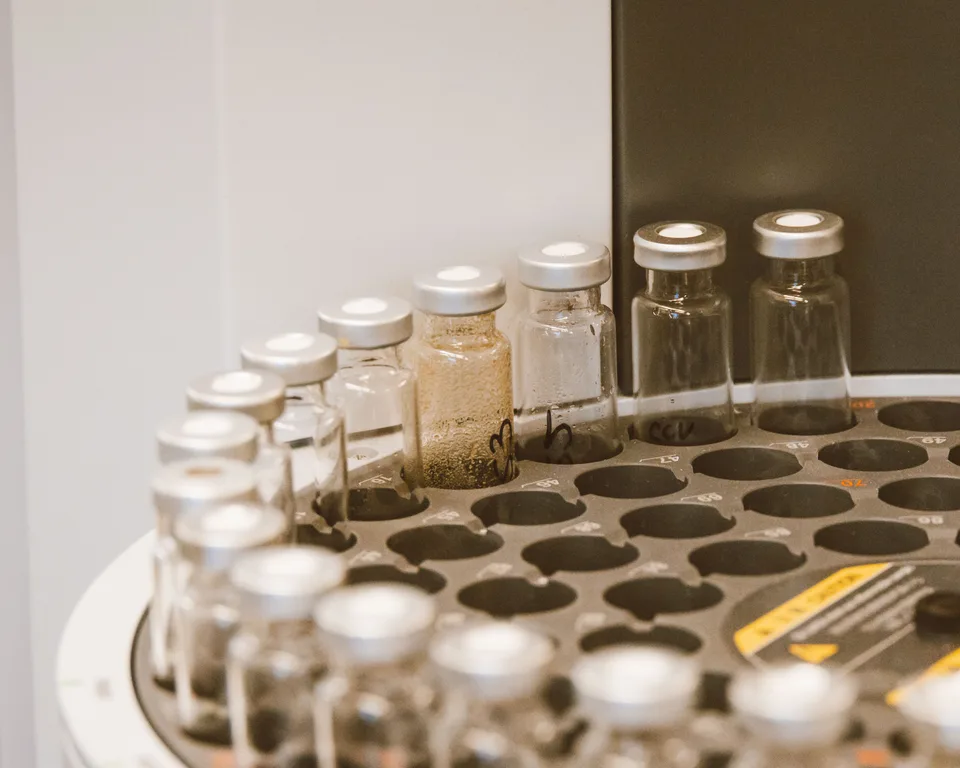
Recursion Pharmaceuticals takes a technically distinct approach from both Insilico and Isomorphic — rather than primarily structure-based or platform-generalist AI modeling, Recursion built its discovery engine around massive-scale automated cellular imaging and phenotypic screening, generating one of the largest proprietary biological and chemical datasets in the industry, then applying machine learning to identify drug candidates from patterns across that dataset. The company has multiple near-term clinical readouts expected in 2026, which will provide meaningful additional evidence for whether this phenotypic-screening-first approach translates into clinical success at a comparable rate to the structure-based approaches Insilico and Isomorphic favor.
Why the 200-trials-zero-approvals gap matters
| Company | Core technical approach | Furthest clinical progress | Major 2026 pharma deal |
|---|---|---|---|
| Insilico Medicine | AI-generalist drug discovery platform | Positive Phase IIa (ISM001-055, pulmonary fibrosis) | Eli Lilly, up to $2.75B (March 2026) |
| Isomorphic Labs | AlphaFold-based protein-structure modeling | Pre-Phase 1 (targeting end of 2026) | Eli Lilly, $1.75B |
| Recursion Pharmaceuticals | High-throughput phenotypic screening + ML | Multiple readouts expected 2026 | Not specified in current reporting |
The industry-wide pattern — genuine pipeline scale (200+ trials) without a single approval yet — reflects the fundamental reality of drug development timelines rather than a failure specific to AI-discovery methods. Traditional drug discovery has historically taken 10+ years from target identification to FDA approval; AI-driven discovery methods are widely credited with compressing the early discovery-and-optimization phase from years to months in the best documented cases, but the clinical-trial phase itself (Phase I through III, typically 6-10 years combined) remains governed by the same biology, patient-recruitment, and regulatory-review timelines regardless of how the candidate molecule was originally identified.
What the Lilly deals actually signal
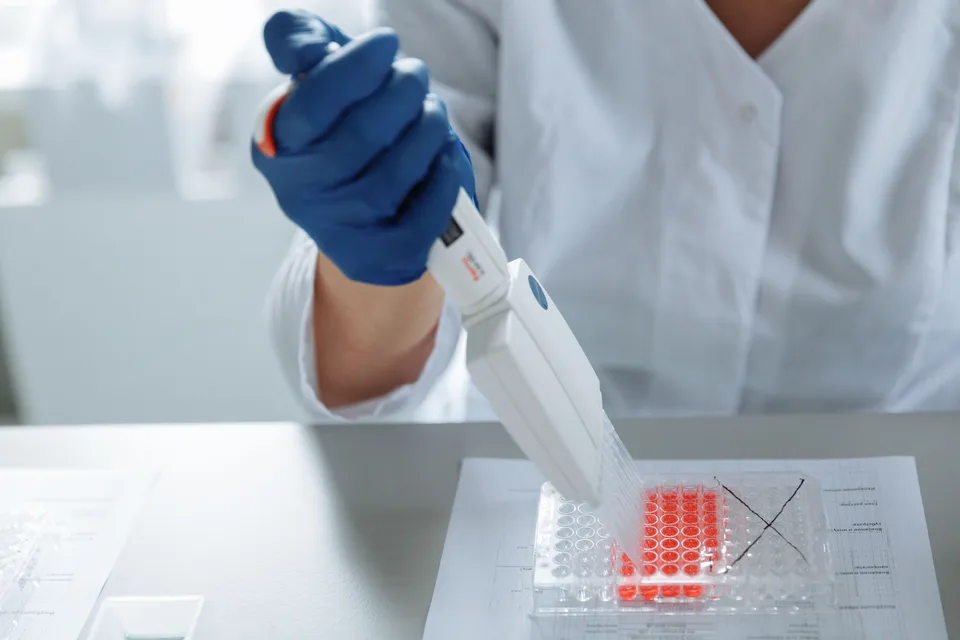
Eli Lilly's combined $4.5 billion-plus commitment across Insilico and Isomorphic is the strongest available signal that sophisticated, technically-informed pharma buyers believe these AI-discovery platforms will eventually produce approved drugs at a meaningfully better rate or cost than traditional discovery methods — Lilly's leadership has direct access to the underlying preclinical and early-clinical data these companies are generating, information not fully available to public-market observers. That said, large upfront and milestone-based pharma partnerships are structured specifically to de-risk the buyer if the technology underperforms — most of Lilly's committed capital is likely contingent on specific development and regulatory milestones being hit, not paid unconditionally upfront.
This pattern connects to the broader digital-pathology and AI-diagnostics validation we covered in digital pathology AI 2026 and Anthropic's own $400M Coefficient Bio acquisition — major incumbent healthcare, pharma, and AI-lab companies are increasingly willing to make nine- and ten-figure bets on AI-native platforms across the entire drug development and diagnosis pipeline, from early discovery through pathology-based diagnosis.
The bottom line
AI drug discovery in 2026 sits at a genuine inflection point: massive, credible pharma capital commitment (Lilly's $4.5 billion-plus across Insilico and Isomorphic alone) and real early clinical progress (Insilico's positive Phase IIa data) coexisting with the sobering fact that the entire 200+-trial industry pipeline has yet to produce a single FDA-approved drug. Neither fact should be weighted to the exclusion of the other — the capital and clinical-stage progress are genuine positive signals, and the zero-approvals reality is a genuine reminder that AI-accelerated discovery still has to clear the same multi-year clinical validation bar every traditionally-discovered drug has always faced. The next 12-24 months, as Isomorphic's first trial begins and additional Insilico and Recursion readouts land, will meaningfully clarify whether this capital wave translates into the industry's first genuinely AI-discovered approved drug.
Frequently Asked Questions
How much did Eli Lilly invest in AI drug discovery in 2026?
Eli Lilly signed two major AI drug discovery partnerships in 2026: a collaboration with Insilico Medicine worth up to $2.75 billion (announced March 2026, described as the largest AI-era pharma deal in history) and a separate $1.75 billion partnership with Isomorphic Labs. Combined, these represent more than $4.5 billion in Lilly's commitment to AI-driven drug discovery platforms.
Has any AI-discovered drug received FDA approval?
No — as of 2026, more than 200 AI-discovered drug candidates are in clinical trials industry-wide, but zero have received FDA approval. This reflects the standard multi-year clinical trial timeline (typically 6-10 years across Phase I through III) rather than a specific failure of AI discovery methods, which primarily accelerate the earlier discovery and candidate-optimization phase rather than the clinical validation phase itself.
What is Isomorphic Labs and how is it connected to AlphaFold?
Isomorphic Labs is a company spun out of Alphabet, built directly on DeepMind's AlphaFold protein-structure-prediction technology, applying that structural-biology modeling capability specifically to drug-target identification and molecule design. CEO Demis Hassabis has publicly committed to entering Phase 1 clinical trials with the company's first AI-designed drug candidate by the end of 2026, though that timeline has already slipped once from an original late-2025 target.
What is Insilico Medicine's most advanced drug candidate?
ISM001-055, a Traf2- and Nck-interacting kinase inhibitor developed for idiopathic pulmonary fibrosis, achieved positive Phase IIa clinical trial results — the most concrete human-trial validation among the major AI-native drug discovery companies as of 2026, though it still faces Phase III trials and FDA review before potential approval.
How is Recursion Pharmaceuticals' approach different from Insilico or Isomorphic?
Recursion built its discovery engine around massive-scale automated cellular imaging and phenotypic screening, generating one of the industry's largest proprietary biological and chemical datasets, then applying machine learning to identify drug candidates from patterns in that data. This differs from Isomorphic's protein-structure-modeling approach and Insilico's more generalist AI-platform methodology — three genuinely distinct technical bets on how AI can most effectively accelerate drug discovery.
Enjoying this article?
Get more strategic intelligence delivered to your inbox weekly.
Enjoyed this article?
VentureBeast.Tech is independent and reader-supported. If this saved you time, you can buy us a coffee — it keeps the research deep and the site ad-light.
Support us on Ko-fi

Comments (0)
No comments yet. Be the first to share your thoughts!