This article may contain affiliate links. We may earn a small commission at no extra cost to you if you make a purchase through these links.
Digital Pathology AI 2026: Paige, PathAI, Cancer Diagnosis
Roche is buying PathAI for up to $1.05B. Paige's AI raised prostate cancer detection sensitivity from 88.7% to 96.6%. Digital pathology just went mainstream.
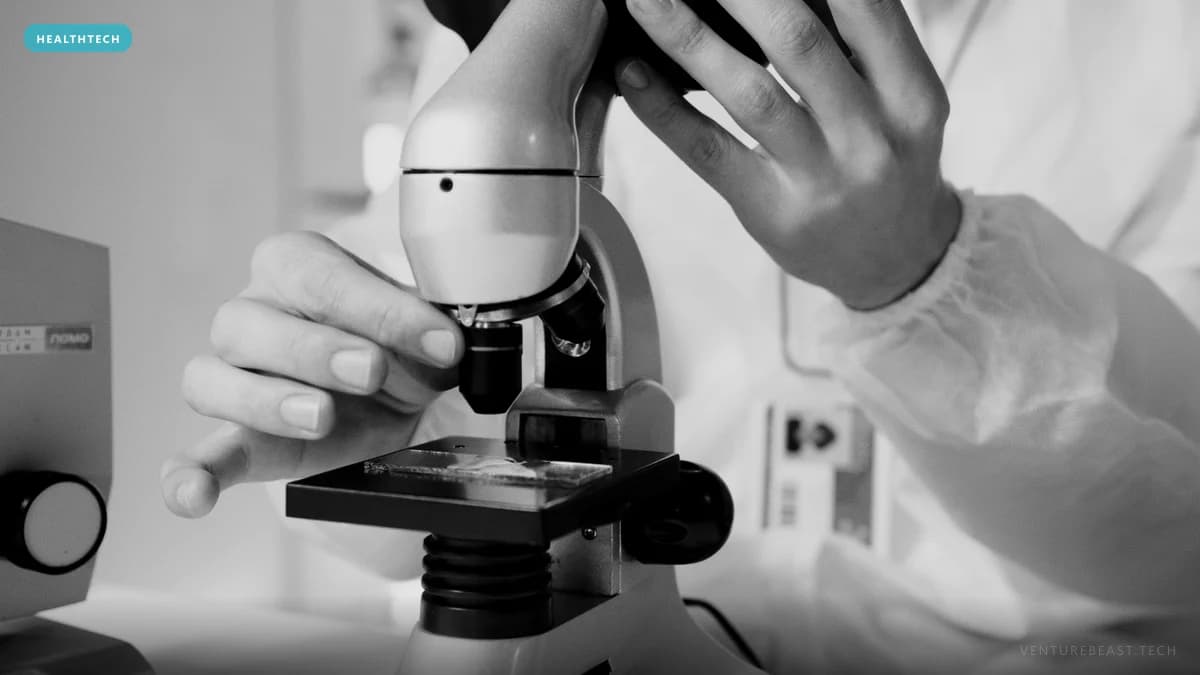
Digital pathology's biggest 2026 headline isn't a new FDA clearance — it's Roche's agreement to acquire PathAI for up to $1.05 billion, confirming that a major diagnostics and pharma incumbent now considers AI-assisted pathology core infrastructure rather than a speculative add-on. The acquisition lands alongside genuine clinical evidence: Paige Prostate Detect, the first FDA-approved AI diagnostic for digital pathology, improved pathologist sensitivity in prostate cancer detection from 88.7% to 96.6% — an eight-percentage-point gain that translates directly into fewer missed cancer diagnoses.
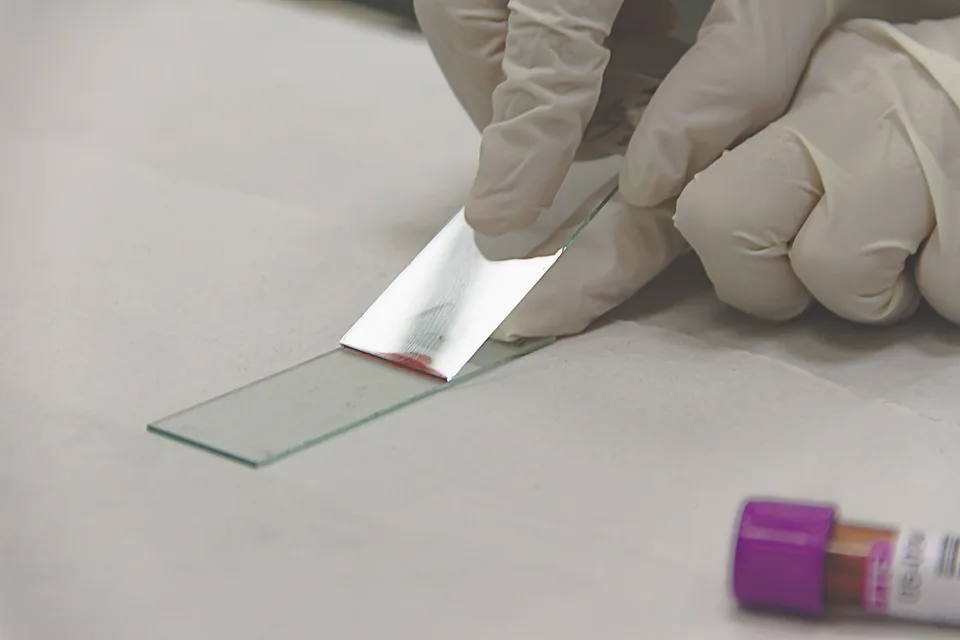
Pathology has historically been one of medicine's most manual, expertise-bottlenecked specialties — a pathologist visually examining tissue samples under a microscope, making judgment calls that require years of training to calibrate reliably. Digital pathology AI targets exactly that bottleneck: converting physical slides into digital whole-slide images that AI models can analyze, flag, and prioritize alongside — not instead of — the human pathologist's final read.
Paige — the FDA-approval pioneer
Paige Prostate Detect holds the distinction of being the first FDA-approved diagnostic using AI and digital pathology. The pivotal clinical study is genuinely compelling: pathologists using the tool improved their prostate cancer detection sensitivity from 88.7% to 96.6% — meaning roughly 8% more true prostate cancer cases were correctly identified with AI assistance than without it. In a diagnosis category where a missed cancer can mean months or years of delayed treatment, that sensitivity gain has direct patient-outcome consequences.
Paige has since expanded its pipeline meaningfully. In April 2025, the company received FDA Breakthrough Device designation for PanCancer Detect — described as the first AI tool designed to identify both common and rare cancer variants across multiple tissue types simultaneously, rather than the single-cancer-type focus of the original Prostate Detect product. This mirrors the pattern we covered in AI radiology's foundation-model shift — narrow, single-condition AI tools evolving toward broader, multi-condition platforms as the underlying technology matures.
PathAI — the Roche acquisition and regulatory-pathway innovation
Roche's up-to-$1.05-billion agreement to acquire PathAI is the largest single validation event in digital pathology's short commercial history. Roche is one of the world's largest diagnostics and pharmaceutical companies, and a major-incumbent acquisition at this scale signals that digital pathology AI has moved past the "interesting startup technology" phase into genuine core-infrastructure status for cancer diagnosis and drug development (PathAI's technology is also used extensively in pharmaceutical clinical trials to standardize pathology endpoints).
PathAI's regulatory pipeline has been active independent of the acquisition news. In March 2026, the company received FDA Breakthrough Device Designation for PathAssist Derm, an AI tool designed to analyze digital whole-slide images of skin lesions and assist pathologists in dermatopathology review — extending digital pathology AI beyond its oncology roots into dermatology. Separately, PathAI's AISight Dx received 510(k) clearance as, notably, the first digital pathology Image Management System cleared by the FDA with an authorized Predetermined Change Control Plan (PCCP) — a regulatory mechanism that lets the company update and improve the AI model over time within a pre-agreed scope, without requiring a brand-new FDA submission for every model iteration.
Why the Predetermined Change Control Plan matters
The PCCP authorization is a genuinely significant regulatory development, not just a technical footnote. Historically, any meaningful update to an FDA-cleared AI diagnostic model required a new regulatory submission — a slow, expensive process that discouraged rapid iteration on clinical AI models even when improvements were well-understood and low-risk. A PCCP lets a company pre-specify the bounds of future model updates (what kinds of changes, what validation is required) and get FDA sign-off on that update framework upfront, then iterate within those bounds without a fresh full submission each time.
This is the same regulatory innovation reshaping how the FDA handles AI/ML-based medical devices broadly, and PathAI's AISight Dx being first-to-market with this specific authorization type for digital pathology image management gives the company a meaningful competitive advantage in iteration speed over competitors still operating under the traditional submit-and-wait model.

The bigger picture — what digital pathology AI is actually solving
Pathology faces a genuine workforce shortage in many health systems — the specialty has struggled with recruitment relative to demand growth for years, and each pathologist's slide-review capacity is fundamentally limited by manual review time. Digital pathology AI addresses this from two directions simultaneously: sensitivity gains (like Paige's demonstrated 8-point improvement) that catch more true positives, and workflow acceleration that lets each pathologist review more cases per day by triaging and pre-flagging the highest-priority findings for closer manual review.
Neither Paige's nor PathAI's tools operate as autonomous diagnostic replacements — consistent with the broader FDA regulatory posture on clinical AI we covered in our AI radiology analysis, these are decision-support and second-reader tools that augment a licensed pathologist's judgment rather than replacing it. The clinical and regulatory model treats AI as accuracy-and-throughput augmentation, not autonomous diagnosis.
This same augment-not-replace regulatory posture is what we observed in the ambient clinical AI market covered in our ambient clinical AI analysis — the strongest healthcare-AI deployments in 2026 consistently pair automation with, not instead of, licensed clinical judgment.
The bottom line
Digital pathology AI crossed a genuine commercial-validation threshold in 2026 with Roche's up-to-$1.05-billion PathAI acquisition, arriving alongside real clinical evidence (Paige's 8-point sensitivity improvement) and genuine regulatory innovation (PathAI's first-of-its-kind PCCP authorization). The category has moved from "promising research" to "major pharma company willing to pay nine figures for it" in a relatively short window, and the expansion beyond single-cancer-type tools (Paige's PanCancer Detect, PathAI's dermatopathology extension) suggests the next phase is breadth — covering more tissue types and disease categories with the same underlying AI infrastructure rather than building narrow point solutions one cancer type at a time.
Frequently Asked Questions
What was the first FDA-approved AI diagnostic for digital pathology?
Paige Prostate Detect holds the distinction of being the first FDA-approved diagnostic using AI and digital pathology. Its pivotal clinical study demonstrated that pathologists using the tool improved their prostate cancer detection sensitivity from 88.7% to 96.6%, an eight-percentage-point improvement with direct clinical significance for catching more true cancer cases.
Why is Roche acquiring PathAI?
Roche agreed to acquire PathAI for up to $1.05 billion, signaling that a major global diagnostics and pharmaceutical company views AI-assisted digital pathology as core infrastructure for cancer diagnosis and drug development. PathAI's technology is used both for clinical diagnostic support and to standardize pathology endpoints in pharmaceutical clinical trials, making it strategically valuable to a company with Roche's diagnostics and drug-development footprint.
What is a Predetermined Change Control Plan (PCCP) in FDA regulation?
A PCCP is an FDA regulatory mechanism that lets a medical device company pre-specify the scope of future AI model updates and receive FDA approval for that update framework in advance, rather than requiring a brand-new regulatory submission for every subsequent model improvement. PathAI's AISight Dx was the first digital pathology Image Management System to receive FDA 510(k) clearance with an authorized PCCP, giving the company faster model-iteration capability than the traditional submit-and-wait regulatory process allows.
Can AI replace pathologists for cancer diagnosis?
No — current FDA-cleared digital pathology AI tools, including Paige Prostate Detect and PathAI's products, function as decision-support and second-reader tools that augment a licensed pathologist's review rather than replacing it. The clinical and regulatory model treats these tools as accuracy and workflow-throughput enhancers, consistent with the broader FDA posture on clinical AI across radiology and pathology.
What is PathAssist Derm?
PathAssist Derm is PathAI's AI tool, granted FDA Breakthrough Device Designation in March 2026, designed to analyze digital whole-slide images of skin lesions and assist pathologists in dermatopathology review. It represents digital pathology AI's expansion beyond its original oncology-focused applications into dermatology-specific diagnostic support.
Enjoying this article?
Get more strategic intelligence delivered to your inbox weekly.
Enjoyed this article?
VentureBeast.Tech is independent and reader-supported. If this saved you time, you can buy us a coffee — it keeps the research deep and the site ad-light.
Support us on Ko-fi


Comments (0)
No comments yet. Be the first to share your thoughts!