This article may contain affiliate links. We may earn a small commission at no extra cost to you if you make a purchase through these links.
Fan Engagement Apps 2026: Second-Screen and AR Stadiums
80% of fans use a second screen during games. AR stat overlays are now standard. Here's how NBA, NFL, MLB apps and stadium AR actually work in 2026.
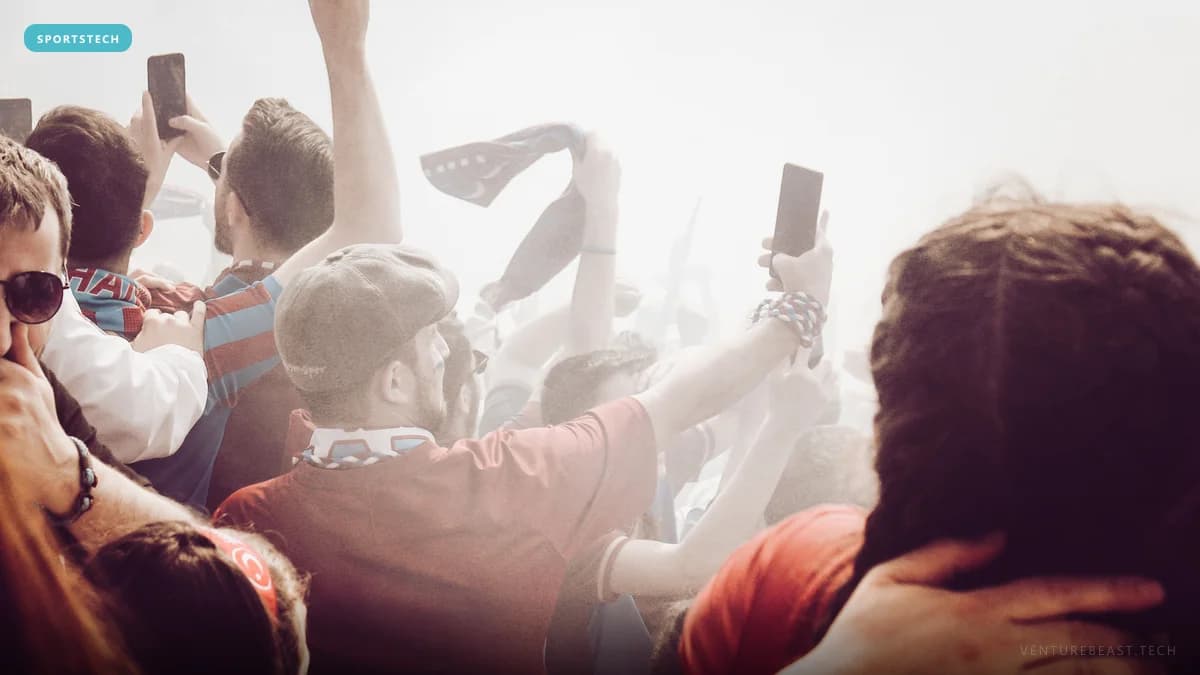
Nearly 80% of sports fans now use a second screen — almost always a phone — while watching a game, whether at home or in the stadium itself. That statistic has reshaped how leagues and venues design the fan experience in 2026: the NBA App, NFL OnePass, and league-native platforms have moved from "companion content" to core infrastructure, and AR overlays that let a fan point their phone at the field to see live player stats are becoming a standard matchday feature rather than a novelty demo.
The shift connects directly to the stadium connectivity infrastructure we covered in stadium 5G and connected venues — none of this works without the private 5G and Wi-Fi 6+ networks that make simultaneous high-bandwidth AR and video streaming possible for tens of thousands of fans at once. The app layer is where that infrastructure investment actually converts into a fan-facing product.
What second-screen apps actually do in 2026
League-native apps have converged on a consistent feature set: real-time stat overlays, instant multi-angle replay access, in-game polls and prediction contests, personalized content feeds, and social integration. The differentiation between leagues comes down to depth and personalization strategy rather than fundamentally different feature sets.
| League/Platform | Core second-screen product | Differentiator |
|---|---|---|
| NBA App | Real-time stats, League Pass integration, replay clips | Deepest historical stat access and player-comparison tools |
| NFL OnePass / NFL+ | Personalized content, AR player-stat overlays (piloting) | Personalizes every touchpoint across app, streaming, and stadium experience |
| MLB App | Customized content across channels | One-to-one relationship building across millions of fans via granular personalization |
| Genius Sports FANHub | White-label omnichannel activation platform | Powers 400+ league/team partnerships including NFL, NCAA — B2B infrastructure layer |
Genius Sports' FANHub is worth understanding separately from the league-native apps — it's not a consumer-facing product itself but the underlying infrastructure that many teams and leagues license to power their own fan engagement features, built on more than two decades of sports data relationships. When a smaller league or a college athletics department launches a polished fan app in 2026, there's a reasonable chance FANHub or a similar white-label platform is doing the heavy lifting behind the scenes.
AR overlays — from demo to standard feature
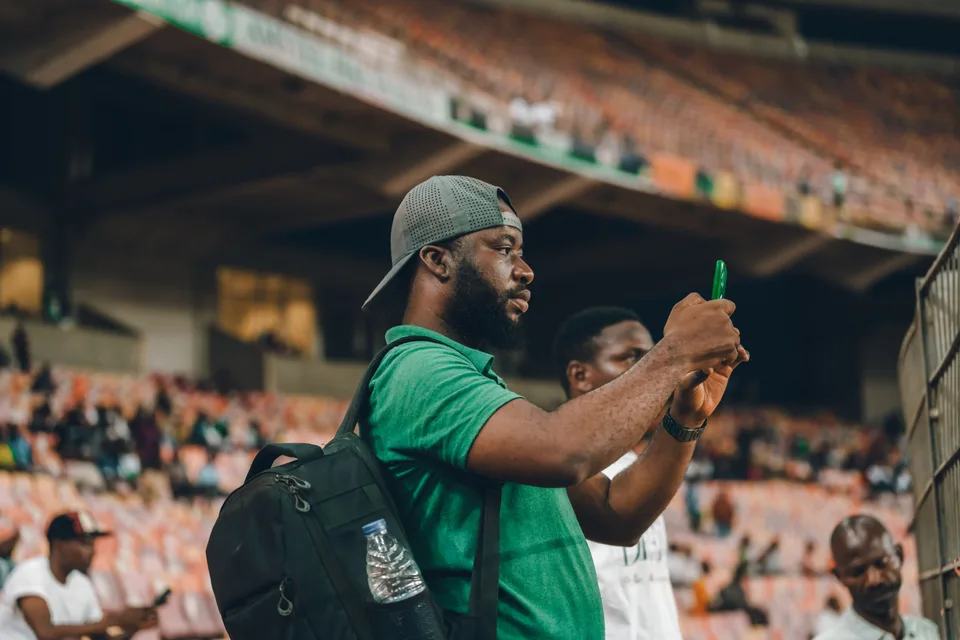
Point-your-phone-at-the-field AR stat overlays have moved from experimental pilot to production feature at several major venues in 2026. The technical dependency chain: the venue's Hawk-Eye-class player-tracking cameras (the same infrastructure covered in our ball-tracking arms race analysis) generate the real-time positional data, the venue's private 5G network streams that data with low enough latency to feel instantaneous, and the fan's phone camera + AR framework (ARKit on iOS, ARCore on Android) overlays the stat graphics onto the live camera feed pointed at the field.
The NFL has been the most public about AR experimentation, piloting apps that let fans see detailed player stats — speed, route depth, separation from the nearest defender — by pointing their phone at the field during live play. Soccer leagues internationally have moved faster on this specific use case, with several European clubs shipping AR overlays that show real-time player stats when a fan's camera is pointed at the pitch during a match.
The stadium-as-platform vision
The broader trend framing all of this: stadiums are becoming responsive, connected environments rather than passive venues. 5G networks, IoT sensors, and edge computing combine to let fans order food directly to their seat, pull up instant replays from any camera angle on their own device, and participate in stadium-wide interactive moments — synchronized polls, crowd-noise challenges, augmented halftime experiences — that treat the entire venue as a single interactive surface rather than 60,000 individual seats.
The personalization strategy divide
MLB and the NFL have taken notably different approaches to personalization depth. MLB's stated strategy is customizing content across every channel to build genuinely one-to-one relationships with millions of individual fans — a data-intensive approach that requires substantial investment in fan-identity resolution across app, ticketing, and merchandise touchpoints. The NFL's approach personalizes across app, NFL+, and the in-stadium experience as an integrated system, treating the fan's entire matchday journey (not just app usage) as the personalization surface.
Both strategies depend on the same underlying capability: unifying fan identity and behavioral data across previously siloed systems (ticketing, app usage, streaming, merchandise, stadium check-in). This is the less glamorous infrastructure work behind the flashy AR demos, and it's where most of the actual engineering investment goes.
What this means for smaller leagues and venues
The white-label platform layer (Genius Sports FANHub and comparable vendors) exists specifically to let smaller leagues, college athletics departments, and minor venues access this technology without building it from scratch. The gap between a major NFL/NBA-market fan experience and a mid-size college athletics program's fan experience has narrowed substantially because the underlying platforms are now licensable rather than requiring in-house engineering at NBA-scale budgets.
The bottom line
Second-screen and AR fan engagement moved from "interesting pilot" to "standard expectation" during 2025–26, driven by the 80%-of-fans-use-a-second-screen reality and the maturation of stadium 5G infrastructure that makes real-time AR overlays technically viable at scale. The differentiation between leagues is now mostly about personalization depth and content strategy rather than raw feature availability — most major leagues offer comparable core functionality, and the competition has shifted to who does the underlying fan-identity and content-personalization work best.
Frequently Asked Questions
What percentage of sports fans use a second screen while watching games?
Nearly 80% of sports fans use a second screen — almost always a mobile device — while watching games, whether at home or attending in person. This statistic is the primary driver behind leagues treating their mobile apps as core infrastructure rather than supplementary content in 2026.
How does AR stat overlay technology work at stadiums?
AR overlays combine real-time player-tracking camera data (Hawk-Eye-class systems already installed for officiating and broadcast) with the venue's private 5G network and the fan's phone AR framework (ARKit or ARCore). When a fan points their phone camera at the field, the app overlays live stat graphics — player speed, positioning, and other metrics — onto the camera feed in near real-time.
What is Genius Sports FANHub?
FANHub is Genius Sports' white-label omnichannel fan-engagement platform, built on more than 20 years of sports data relationships and partnerships with 400+ leagues and teams including the NFL and NCAA. It provides the underlying infrastructure that many smaller leagues, college athletics programs, and venues license to power their own fan-facing apps and engagement features without building the technology in-house.
Which sports league has the most advanced fan engagement app?
There's no single clear leader — the NBA App has the deepest historical stat and player-comparison tools, the NFL leads on personalization integration across app/streaming/stadium touchpoints and AR piloting, and MLB has invested most heavily in one-to-one content personalization across its fan base. European soccer clubs have moved fastest specifically on live AR stat overlays during match play.
Do fan engagement apps require stadium 5G to work?
The most advanced features — real-time AR overlays, instant multi-angle replay streaming, simultaneous high-bandwidth use by tens of thousands of fans — depend on the venue's private 5G and Wi-Fi 6+ infrastructure. Basic second-screen features (stats, polls, content feeds) work over standard cellular or public Wi-Fi, but the flagship AR and low-latency features require the dedicated stadium network infrastructure covered in our stadium connectivity analysis.
Enjoying this article?
Get more strategic intelligence delivered to your inbox weekly.
Enjoyed this article?
VentureBeast.Tech is independent and reader-supported. If this saved you time, you can buy us a coffee — it keeps the research deep and the site ad-light.
Support us on Ko-fi
Comments (0)
No comments yet. Be the first to share your thoughts!