This article may contain affiliate links. We may earn a small commission at no extra cost to you if you make a purchase through these links.
AI Personal Training Apps 2026: Future, Freeletics, Fitbod
Fitbod ($13/mo) wins strength progression. Freeletics ($8/mo) wins bodyweight variety. Future ($199/mo) wins with a human coach. Pick by philosophy, not price.
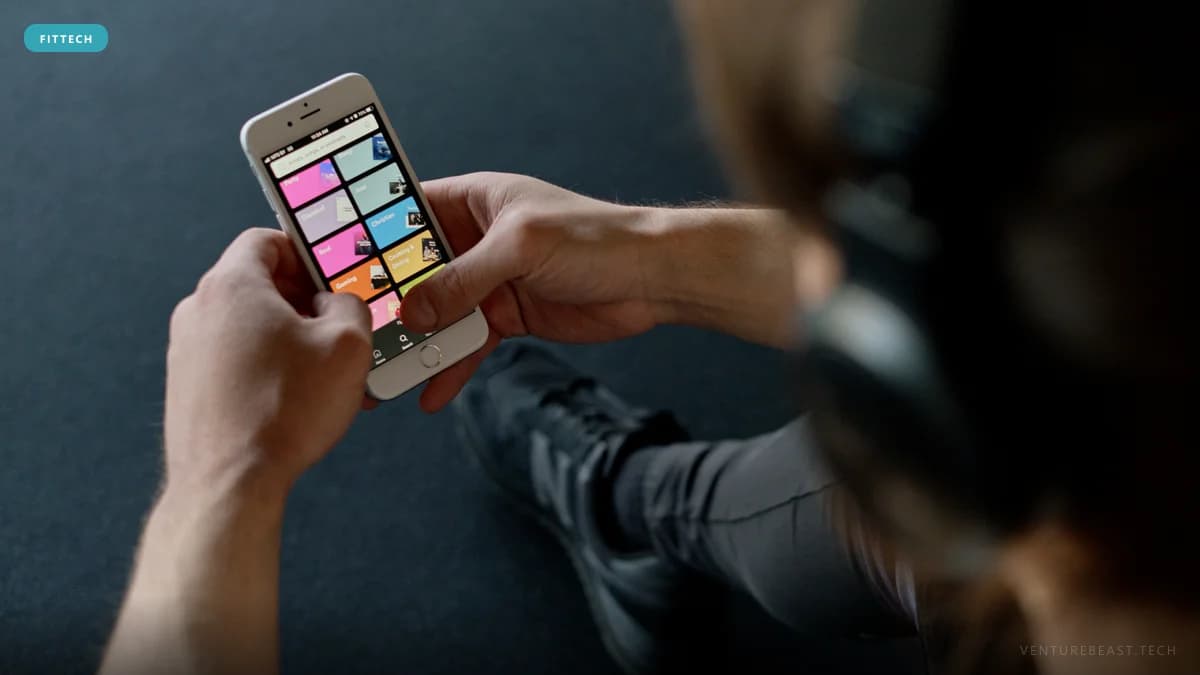
Three AI personal training apps have carved out genuinely distinct positions in 2026, spanning nearly a 15x price range: Fitbod ($12.99/month) for algorithm-driven strength programming, Freeletics ($8.33/month effective, annual billing) for high-variety bodyweight training, and Future ($199/month) for a dedicated human coach paired with AI-assisted plan revisions and Apple Watch integration. The price gap alone tells you these aren't really competing for the same customer — they've segmented by how much accountability and human touch a user is willing to pay for.
The category's underlying technology has matured to the point where "AI-generated workout" is table stakes across all three — the actual differentiation is in programming philosophy, exercise library depth, and how much of the coaching relationship is automated versus human-mediated.
How the three apps actually differ
| App | Price | Core positioning | Exercise library | Human involvement |
|---|---|---|---|---|
| Fitbod | $12.99/mo or $79.99/yr | AI-generated strength progression, equipment-aware | 1,000+ exercises | None — fully automated |
| Freeletics | $34.99/mo or $99.99/yr ($8.33/mo effective) | High-variety bodyweight/calisthenics training | 700+ exercises, 30 training journeys, 1 trillion combinations claimed | None — fully automated |
| Future | $199/mo | Dedicated human coach + AI-assisted revisions | Coach-curated, personalized | Full — assigned dedicated coach |
Future's rating (4.87 average across 10,413 ratings) is notably high for a fitness app category that typically sees more mixed reviews — a signal that the human-coach model, despite its substantial price premium, delivers measurably better user satisfaction than the fully-automated alternatives, at least for the subset of users willing to pay for it.
Fitbod — the equipment-aware strength specialist
Fitbod's core value proposition is algorithm-driven strength progression that adapts to available equipment and tracks progressive overload automatically. The app's 1,000+ exercise library, combined with integrations across Apple Health, Apple Watch, Strava, and Fitbit, positions it as the strongest option specifically for users following a structured strength-training program who want the app to handle exercise selection, set/rep progression, and rest-timing without requiring manual programming knowledge.
This connects to the broader wearable-integration trend we've covered in smart ring war 2026 — apps like Fitbod increasingly function as the workout-generation layer sitting on top of the recovery and readiness data that wearables collect, rather than operating as standalone, context-blind programming tools.
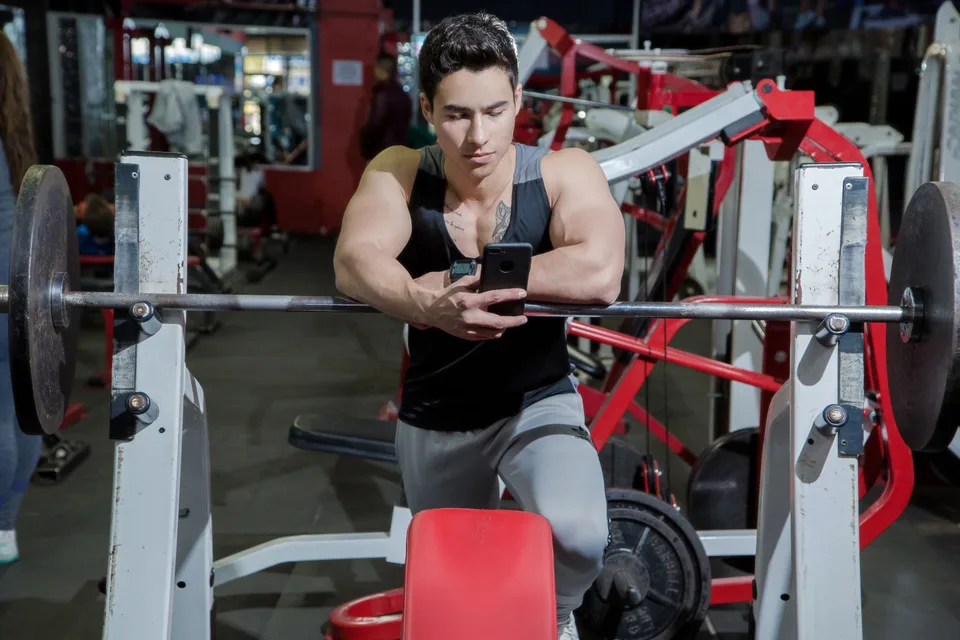
Freeletics — maximum variety, minimum equipment
Freeletics built its identity around bodyweight and calisthenics programming — burpees, pull-ups, push-ups, pistol squats — with progressions designed around each specific movement pattern rather than generic strength-training templates. The company claims 60 million athletes have used the app, with 700+ exercises across 30 distinct "training journeys" and a marketed 1 trillion possible workout combinations, emphasizing algorithmic variety over any single programming philosophy.
The practical appeal is location flexibility — bodyweight-centric programming works in a hotel room, a park, or a home living room without requiring gym equipment access, which makes Freeletics the strongest choice for users who travel frequently or don't have consistent gym access but still want structured, varied programming rather than generic "do some pushups" advice.
Future — the human-coach premium tier
Future inverts the category's usual automation-first approach: rather than replacing a human trainer with AI, it pairs each user with a dedicated human coach who builds and revises the training plan, using AI tooling and Apple Watch integration to inform that coach's decisions with real training-feedback data. At $199/month — roughly 15-24x the price of Fitbod or Freeletics — Future is positioned squarely as a premium accountability product rather than a mass-market fitness app.
The 4.87-star average across more than 10,000 ratings suggests the accountability model genuinely works for the segment willing to pay for it — dedicated human coaching with AI-informed data feedback appears to produce meaningfully higher user satisfaction than fully-automated alternatives, which tracks with what's generally understood about behavior-change psychology: human accountability relationships tend to outperform app-only interventions for sustained habit formation, even when the underlying exercise programming quality is comparable.

How to choose
- Structured strength training, want automated progression tracking: Fitbod. The equipment-aware algorithm and 1,000+ exercise library are purpose-built for exactly this use case.
- Travel frequently, limited/no equipment access, want variety: Freeletics. Bodyweight-first programming with genuine algorithmic variety solves the "I don't have a gym" problem better than equipment-dependent apps.
- Accountability is your biggest behavior-change lever, budget allows premium pricing: Future. The dedicated human coach model's high satisfaction ratings suggest it's worth the roughly 15-24x price premium for users who've struggled to stick with fully-automated apps.
- Budget-constrained, want to try AI fitness coaching first: Start with Fitbod or Freeletics' free-download tiers before committing to a premium subscription — both offer meaningful free functionality before the paywall.
All three approaches sit within the broader shift toward AI-mediated fitness coaching we've documented alongside recovery tech devices — the modern fitness stack increasingly spans automated programming, passive recovery intervention, and readiness tracking as three complementary layers rather than any single app or device covering the full picture.
The bottom line
The AI personal training app category has genuinely differentiated rather than converging on a single winning formula. Fitbod and Freeletics both prove that fully-automated AI programming can deliver real value at accessible price points, splitting further by training philosophy (strength-progression vs bodyweight-variety) rather than by underlying technology quality. Future's premium human-coach-plus-AI model demonstrates that for accountability-driven users, a substantially higher price point still finds a market willing to pay for measurably better engagement outcomes. The right choice depends far more on your training philosophy and accountability needs than on any objective quality gap between the three.
Frequently Asked Questions
How much does Fitbod cost compared to Freeletics?
Fitbod costs roughly $12.99/month or $79.99/year via in-app purchase. Freeletics Coach costs $34.99/month or $99.99/year, which works out to an effective $8.33/month when billed annually — making Freeletics cheaper on an annual basis despite a higher monthly sticker price. Both apps offer free download tiers with limited functionality before the paywall.
Why is Future so much more expensive than Fitbod or Freeletics?
Future pairs each user with a dedicated human coach who builds and revises the training plan, using AI tools and Apple Watch data to inform coaching decisions — a fundamentally different, labor-intensive service model compared to Fitbod's and Freeletics' fully-automated AI programming. The $199/month price reflects the cost of ongoing human coach involvement, not just software access.
Which app is best for bodyweight-only training with no gym equipment?
Freeletics is purpose-built around calisthenics and bodyweight movements — burpees, pull-ups, push-ups, pistol squats — with progressions designed for each movement pattern rather than requiring equipment access. This makes it the strongest choice for users who travel frequently or train primarily at home or outdoors without consistent gym access.
Do these AI fitness apps integrate with wearables like Apple Watch or Oura?
Fitbod integrates with Apple Health, Apple Watch, Strava, and Fitbit. Future uses Apple Watch integration specifically to feed real training data back to a user's dedicated coach. Freeletics' wearable integration is less extensively documented in comparison to the other two, with its core value proposition centered more on programming variety than device-data synthesis.
Is a human coach actually better than a fully AI-automated fitness app?
Future's notably high 4.87-star average rating across more than 10,000 reviews suggests the human-coach-plus-AI model produces meaningfully higher user satisfaction than fully-automated alternatives for the users who choose it — likely reflecting the general behavior-change-psychology finding that human accountability relationships tend to outperform app-only interventions for sustained habit formation. Whether that translates to better actual fitness outcomes (versus just higher satisfaction) is a separate, less-documented question.
Enjoying this article?
Get more strategic intelligence delivered to your inbox weekly.
Enjoyed this article?
VentureBeast.Tech is independent and reader-supported. If this saved you time, you can buy us a coffee — it keeps the research deep and the site ad-light.
Support us on Ko-fi
Comments (0)
No comments yet. Be the first to share your thoughts!