This article may contain affiliate links. We may earn a small commission at no extra cost to you if you make a purchase through these links.
Hospital-at-Home 2026: DispatchHealth, Biofourmis, CMS
CMS made the hospital-at-home waiver permanent in Jan 2026. Medically Home merged into DispatchHealth. Here's the consolidated market and what changed.
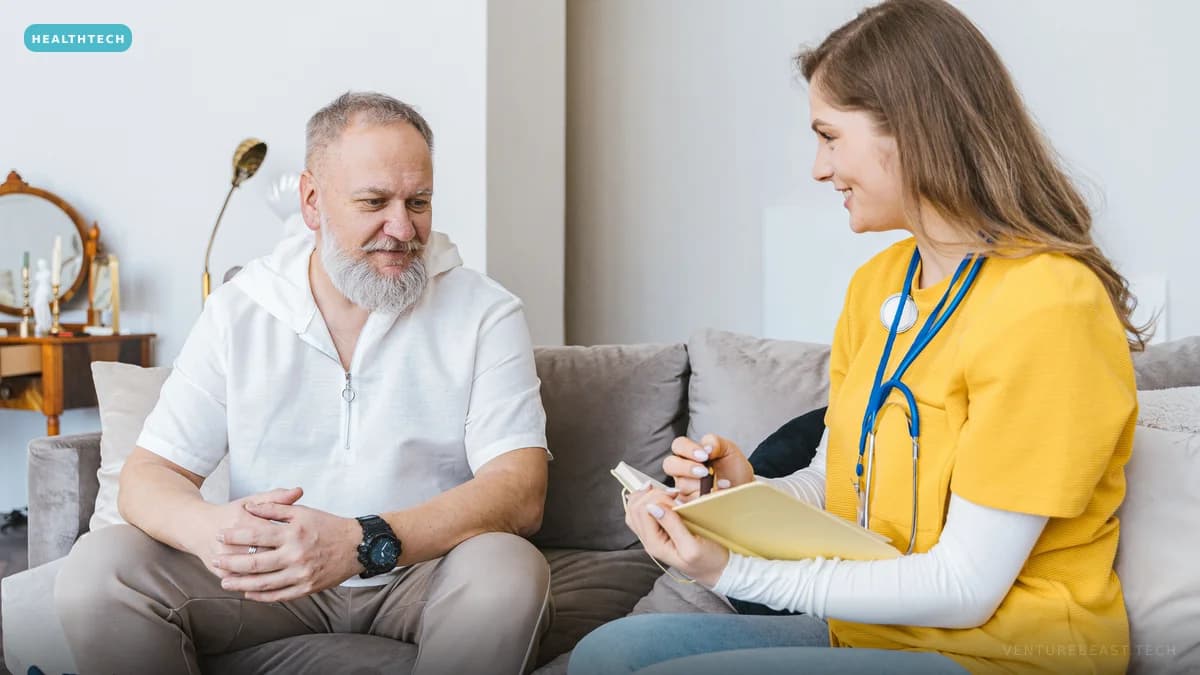
Hospital-at-home crossed two consequential thresholds heading into 2026. First, in January 2026, the Centers for Medicare and Medicaid Services officially codified the "Acute Hospital Care at Home" waiver into permanent federal law — removing the temporary, pandemic-era-extension uncertainty that had left health systems hesitant to invest heavily in the model. Second, the vendor market consolidated sharply: Medically Home, one of the category's original pioneers, was acquired by DispatchHealth in a deal that closed in May 2025, with the Medically Home brand being phased out entirely as the combined company operates under the DispatchHealth name.
Anyone researching this space in 2026 needs both facts to avoid working from stale information — "Medically Home" as an independent competitor no longer exists, and the regulatory foundation the entire category depends on just became permanent rather than provisional.
What permanent CMS codification actually changes
The Acute Hospital Care at Home waiver originated as a pandemic-era flexibility, repeatedly extended on a temporary basis for several years while health systems and vendors built out the model under genuine regulatory uncertainty — any given extension could theoretically have been the last one, which discouraged the kind of large, multi-year capital investment permanent infrastructure typically requires. Its January 2026 codification into permanent federal law removes that overhang entirely, giving health systems, staffing models, and technology vendors a stable regulatory foundation to build against for the first time in the category's history.
The practical effect: health systems that had been running hospital-at-home programs cautiously, treating them as a pandemic-adjacent pilot rather than a core service line, now have the regulatory certainty to scale investment — more dedicated staffing, deeper technology integration, and formal program expansion rather than provisional operation.
DispatchHealth — the consolidated market leader (formerly Medically Home)
The DispatchHealth-Medically Home merger, which closed in late May 2025, created what the combined company describes as one of the nation's largest hospital-at-home providers — operating across 50 metropolitan areas in partnership with nearly 40 health systems. The deal terms weren't disclosed, but the strategic logic is straightforward: Medically Home brought deep hospital-at-home clinical protocols and health-system partnerships, while DispatchHealth brought its existing mobile-care delivery infrastructure and workforce, producing a combined entity with more comprehensive coverage than either company could offer independently.
For health systems currently evaluating hospital-at-home vendor partnerships, the practical implication is straightforward: any existing relationship or new inquiry involving "Medically Home" now routes through DispatchHealth. The market consolidation reduces the number of large-scale, credible national vendor options — a dynamic worth understanding when negotiating vendor contracts, since fewer credible alternatives generally shifts negotiating leverage toward the vendor.
Biofourmis — the remote-monitoring technology specialist
Biofourmis occupies a different position in the hospital-at-home ecosystem — rather than operating as a full-service care-delivery organization like DispatchHealth, the company provides the Biovitals Hospital@Home platform — a remote-monitoring and clinical-command-center technology layer that health systems and other care-delivery organizations can license to power their own hospital-at-home programs. The platform processes patient vitals data in near real-time, giving clinical teams a predictive view of disease trajectory rather than simple threshold-based alerting.
Biofourmis' technology-provider positioning (versus DispatchHealth's full-service care-delivery model) means health systems evaluating hospital-at-home options face a genuine build-versus-buy-the-full-stack decision: partner with DispatchHealth for a comprehensive, turnkey care-delivery relationship, or license Biofourmis' monitoring platform and build the actual clinical staffing and logistics operation in-house or through separate partnerships.
What the remote-monitoring technology actually does
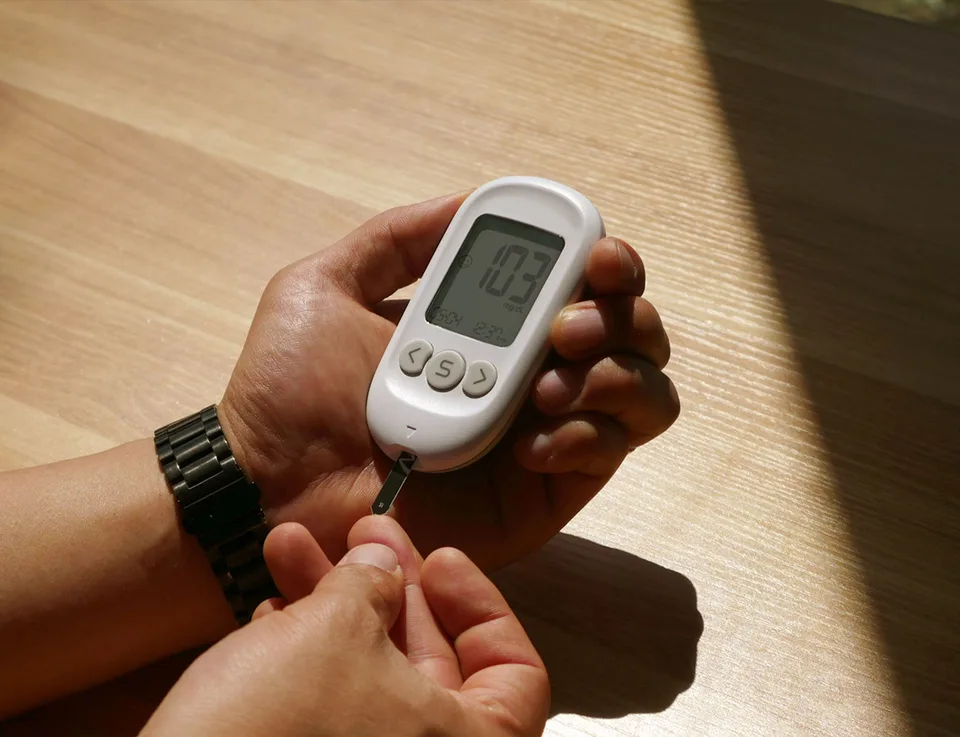
Biovitals' 24/7 command-center model and predictive disease-trajectory analysis represent the technical core of what makes hospital-at-home clinically viable for high-acuity patients — the specific population CMS's DRG reimbursement structure targets. The platform's patient-facing companion app handles continuous monitoring, patient engagement, and remote communication with the care team, while the backend command center gives clinical staff the equivalent of a hospital nursing station's situational awareness, distributed across dozens or hundreds of patients' homes simultaneously rather than a single physical ward.
Why hospital-at-home matters beyond individual patient convenience
The permanent CMS codification arrives amid persistent hospital capacity constraints across much of the U.S. health system — hospital-at-home programs free up physical inpatient beds for patients who genuinely require them, while delivering equivalent or, in several published studies, better outcomes for medically appropriate patients treated at home (lower rates of hospital-acquired infection and delirium, in particular, are consistently documented benefits of home-based acute care versus traditional inpatient stays). This connects to the broader ambient-monitoring and remote-care infrastructure we covered in ambient elder-care sensing — the same underlying technology categories (continuous vitals monitoring, predictive clinical alerting, remote care-team coordination) increasingly serve both acute hospital-at-home programs and chronic elder-care monitoring, just tuned for different clinical intensity and patient populations.
The ambient clinical AI documentation layer we covered in ambient clinical AI 2026 is increasingly integrated into hospital-at-home visit workflows too — remote clinicians conducting virtual rounds benefit from the same automated-documentation tools reshaping in-person primary care.
The bottom line
Hospital-at-home enters 2026 with a permanent regulatory foundation for the first time and a meaningfully consolidated vendor landscape following the DispatchHealth-Medically Home merger. Health systems evaluating the category should route any Medically Home inquiry through DispatchHealth directly, and should understand the fundamental choice between DispatchHealth's full-service care-delivery model and Biofourmis' licensable remote-monitoring technology platform as two genuinely different partnership structures rather than directly competing products. The permanent CMS waiver removes the biggest structural risk that had constrained investment in the category — expect accelerated program expansion across health systems throughout 2026 and beyond as a direct result.
Frequently Asked Questions
Is Medically Home still an independent company?
No — Medically Home was acquired by DispatchHealth in a deal that closed in late May 2025. The combined company operates under the DispatchHealth name, and the Medically Home brand is being phased out. Any current inquiry or existing relationship involving Medically Home now routes through DispatchHealth.
What changed with CMS and hospital-at-home in 2026?
In January 2026, the Centers for Medicare and Medicaid Services officially codified the Acute Hospital Care at Home waiver into permanent federal law. Previously, the waiver had been repeatedly extended on a temporary, provisional basis since its pandemic-era origin, creating regulatory uncertainty that discouraged large-scale, long-term investment in hospital-at-home infrastructure by health systems.
What is the difference between DispatchHealth and Biofourmis?
DispatchHealth (following its merger with Medically Home) is a full-service hospital-at-home care-delivery organization operating across 50 U.S. metropolitan areas. Biofourmis is a remote-monitoring technology provider — its Biovitals Hospital@Home platform is a licensable software and command-center system that health systems can use to power their own hospital-at-home programs, rather than a full-service care-delivery partnership like DispatchHealth's.
Does hospital-at-home actually produce better patient outcomes?
Several published studies document lower rates of hospital-acquired infection and delirium for medically appropriate patients treated at home compared to traditional inpatient stays, alongside equivalent clinical outcomes for the target patient population. Hospital-at-home programs are designed for specific, medically appropriate diagnoses and acuity levels — not a universal substitute for all hospital admissions.
How does remote monitoring work in hospital-at-home programs?
Platforms like Biofourmis' Biovitals process continuous patient vitals data in near real-time, feeding a 24/7 clinical command center that gives care teams predictive visibility into a patient's disease trajectory rather than simple threshold-based alerts. A patient-facing companion app handles ongoing monitoring, patient engagement, and remote communication with the assigned care team throughout the at-home treatment period.
Enjoying this article?
Get more strategic intelligence delivered to your inbox weekly.
Enjoyed this article?
VentureBeast.Tech is independent and reader-supported. If this saved you time, you can buy us a coffee — it keeps the research deep and the site ad-light.
Support us on Ko-fi

Comments (0)
No comments yet. Be the first to share your thoughts!