This article may contain affiliate links. We may earn a small commission at no extra cost to you if you make a purchase through these links.
At-Home Genomics 2026: 23andMe, Nucleus, Genomelink
23andMe restructured after Chapter 11. Nucleus pushes WGS upmarket. Genomelink wins on raw-data reanalysis. Pick your tier based on the actual use case.

The at-home genomics market reset hard during 2024–25. 23andMe filed Chapter 11 in March 2025 and emerged as a private company under TTAM Research Institute (founded by 23andMe co-founder Anne Wojcicki) after a $305 million asset purchase. Nucleus Genomics and Sequencing.com pushed the market upmarket toward full whole-genome sequencing at 30× coverage — analyzing essentially 100% of the genome, vs the 0.02% the legacy SNP-chip products covered. Genomelink took the opposite direction, building a value-priced raw-data analysis layer that sits on top of any existing 23andMe or AncestryDNA file. By 2026 the category has bifurcated cleanly into three distinct propositions.
The clarifying insight: SNP genotyping (what 23andMe and AncestryDNA have always done) and whole-genome sequencing (WGS, what Nucleus and Sequencing.com now sell) are categorically different technologies. Genotyping uses a microarray chip to read 600,000 to 1 million pre-selected positions in the DNA — covering roughly 0.02% of the 6.4 billion base pairs in the human genome. Whole-genome sequencing reads every base pair, typically at 30× coverage, generating data several orders of magnitude richer. Pricing reflects this: SNP tests ship at $99–$199; whole-genome runs $400–$1,200. The clinical and research utility difference is enormous.
The three tiers of at-home genomics in 2026
| Tier | Example vendor | Technology | Genome coverage | Typical price |
|---|---|---|---|---|
| Ancestry-focused SNP genotyping | 23andMe, AncestryDNA, MyHeritage | SNP microarray chip | ~0.02% (600k–1M SNPs) | $99–$199 |
| Health-grade whole-genome sequencing | Nucleus Genomics, Sequencing.com, Dante Labs | 30× WGS via Illumina or Element Bio platforms | ~100% | $400–$1,200 |
| Raw-data analysis layer | Genomelink, Promethease, GEDmatch | Software analysis of uploaded raw data | Depends on source data | $39–$199 per report bundle |
The strategic implication for consumers: pick the tier based on the use case, not on the vendor brand recognition. For ancestry curiosity, SNP genotyping is sufficient and cheaper. For genuine clinical-relevance questions (cancer risk, pharmacogenomics, rare-disease screening), whole-genome sequencing is the only credible option. For maximum value from data you already have, the raw-data analysis tier lets you re-process an existing 23andMe or AncestryDNA file for far more insight than the original vendor provided.

What 23andMe's Chapter 11 actually changed
23andMe filed Chapter 11 in March 2025 after a four-year slide from a 2021 SPAC peak valuation of $6 billion to a 2024 trough below $50 million. The proximate cause was a combination of (a) consumer-genetics product saturation — most curious customers had already tested by 2022, and recurring revenue was structurally limited, (b) failed expansion into therapeutics and Lemonaid-driven telehealth, and (c) a 2023 data-breach incident that damaged consumer trust.
The TTAM Research Institute acquisition in July 2025 — Wojcicki's nonprofit picking up the assets for $305 million — returned 23andMe to a private, research-oriented model closer to its original 2007 founding ethos. The 2026 product is leaner: ancestry-focused SNP testing, raw-data download, and a strong commitment to data-privacy controls. The therapeutic-development arm has been wound down. The combined business is profitable at the lower scale.
The downstream effect: customers who tested in the original 23andMe era (2008–2023) retain access to their data, but the vendor's ongoing innovation pace has slowed. New customers should evaluate 23andMe head-to-head with AncestryDNA and MyHeritage on ancestry depth and ethnic-region coverage — there's no clear technical advantage to one SNP-chip vendor over another at this point.
Nucleus Genomics — the WGS upmarket bet
Nucleus is the most ambitious at-home WGS product in 2026. The pitch: 30× whole-genome sequencing analyzing ~100% of your DNA, paired with a polished consumer-facing dashboard covering health risk (cancer, cardiometabolic disease, neurological conditions), pharmacogenomics (how your body metabolizes common medications), and lifestyle-relevant traits. Pricing runs $400 for the test plus a recurring subscription for ongoing report updates as new genetic-medical research is published.
Nucleus's clinical positioning is the most interesting element. The reports are designed for physician handoff — many users bring the data to a primary-care or genetic-counselor appointment for follow-up. The pharmacogenomic insights (which drugs to use, which to avoid, dosing modifications) are increasingly accepted in clinical practice. The disease-risk reports are more controversial because polygenic risk scores remain probabilistic and don't establish causation.
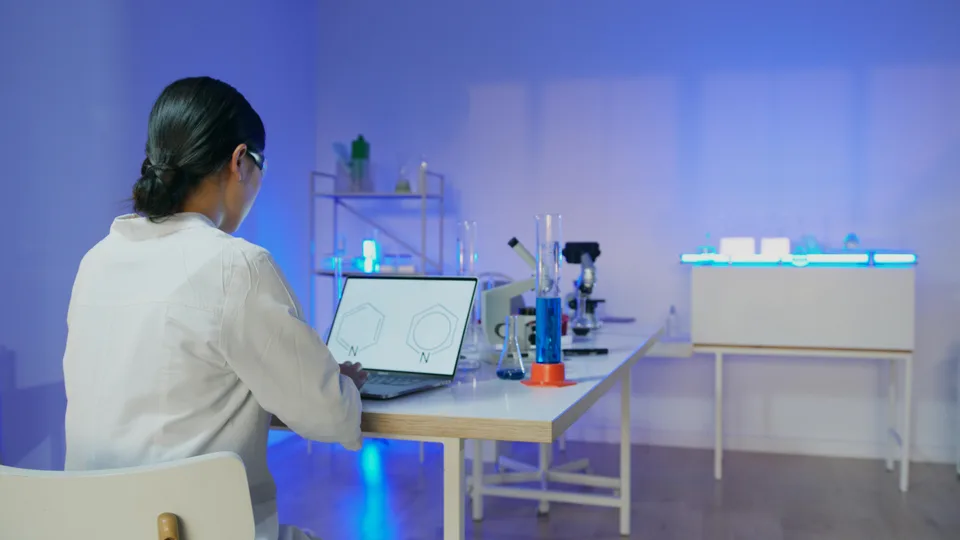
Genomelink — the analysis-only play
Genomelink doesn't sell a DNA test. It sells the analysis layer on top of raw DNA data that the user already owns from another vendor — typically a 23andMe, AncestryDNA, or MyHeritage export. The product is a library of 200+ trait, health, and ancestry reports, with new ones added monthly. Pricing is bundle-based: $39–$199 depending on the report set.
The economic logic is real. The vast majority of insight in a 23andMe or AncestryDNA dataset is unmined — the source vendor only surfaces a small fraction of what the SNP positions actually encode. Genomelink's value is the additional 95%+ of insight that the source vendor never built into their consumer dashboard. For users who tested years ago and have access to their raw data, the Genomelink upgrade is the cheapest way to multiply the original test's value.
Privacy, regulation, and what consumers should think about
The 2023 23andMe data breach (which exposed ancestry data for approximately 7 million accounts) is the cautionary tale that reshaped the privacy posture across the industry. Three principles now matter:
- Data control: Choose vendors with explicit "delete on request" workflows and an established history of honoring them. All three of 23andMe, Nucleus, and Genomelink publish deletion procedures.
- Research consent: Most consumer-genetics vendors offer an optional "contribute to research" toggle. The trade-off is real — opt-in fuels the research pipeline that improves future reports, but it also creates data-sharing exposure beyond the original vendor.
- Insurance and discrimination: The 2008 U.S. Genetic Information Nondiscrimination Act (GINA) bars health insurance and employment discrimination based on genetic data, but does not cover life, disability, or long-term-care insurance. This is the largest practical concern for users with significant disease-risk findings.
The broader healthcare-AI context, as covered in our medication management analysis, is that pharmacogenomic data flowing into clinical workflows is the most rapidly maturing use of consumer genetics. The 2026 ambient-clinical-AI scribes (Suki, Abridge, DAX) we covered in ambient clinical AI 2026 are increasingly integrated with patient genetic data to flag medication-interaction risks at the point of prescription.
The bottom line
At-home genomics in 2026 is a three-tier market with clear positioning. SNP genotyping (23andMe, AncestryDNA) is mature, cheap, ancestry-focused, and structurally limited in clinical relevance. Whole-genome sequencing (Nucleus, Sequencing.com) is the clinically meaningful tier and is now affordable enough at $400 to justify for any user with serious health-genetics questions. Raw-data analysis layers (Genomelink) unlock years of additional insight from previously tested data at low marginal cost. The vendor consolidation has played out; 2026 is the year to pick your tier and act, not to wait for further consolidation.
Frequently Asked Questions
Did 23andMe go out of business?
23andMe filed for Chapter 11 bankruptcy in March 2025 but did not cease operations. In July 2025, the TTAM Research Institute — a nonprofit founded by 23andMe co-founder Anne Wojcicki — purchased the company's assets for $305 million, restructuring 23andMe as a private, research-oriented company closer to its original 2007 founding. The ancestry-testing product, raw-data downloads, and customer accounts remain operational in 2026.
What's the difference between 23andMe and Nucleus Genomics?
23andMe uses SNP microarray genotyping — reading 600,000 to 1 million pre-selected DNA positions, covering approximately 0.02% of the full genome. Nucleus uses whole-genome sequencing at 30× coverage, reading essentially all 6.4 billion base pairs of the genome. The data difference is three orders of magnitude. Nucleus's clinical reports (cancer risk, pharmacogenomics, rare disease) are correspondingly deeper, and the price is higher ($400+ vs $99–$199).
Is whole-genome sequencing worth the extra cost?
For users with specific clinical questions — family history of cancer, plans to start medication therapy where pharmacogenomic guidance matters, suspicion of rare-disease risk — yes, whole-genome sequencing is meaningfully more useful than SNP genotyping. For users curious about ancestry or general personal interest, SNP genotyping is sufficient and cheaper. The middle ground (Genomelink-style analysis of existing raw data) often delivers more insight per dollar than buying a fresh WGS test.
Is my DNA data safe with these companies?
Data security has been mixed across the consumer-genetics industry. The 2023 23andMe data breach (~7 million accounts exposed) raised industry-wide attention to the issue. In 2026, all three major vendor categories publish deletion procedures, support data export, and offer encryption at rest. The most consequential exposure is not the data per se but the secondary uses: research participation (opt-in), insurance applications (life and disability insurance can still consider genetic data under U.S. federal law), and family-member identifiability via DNA-relative-matching databases.
Can my doctor use my 23andMe or Nucleus results?
Increasingly yes. Pharmacogenomic data — which drugs are likely to be effective vs problematic given your genetics — is the most clinically integrated category, especially for psychiatric medications, anticoagulants, and pain management. Polygenic risk scores for cancer and cardiometabolic disease are accepted as one input among many but not as standalone diagnostic. Most U.S. primary-care physicians will accept printed reports as part of the medical record; genetic counselors and clinical geneticists are appropriate referrals for serious findings.
Enjoying this article?
Get more strategic intelligence delivered to your inbox weekly.
Enjoyed this article?
VentureBeast.Tech is independent and reader-supported. If this saved you time, you can buy us a coffee — it keeps the research deep and the site ad-light.
Support us on Ko-fi


Comments (0)
No comments yet. Be the first to share your thoughts!