This article may contain affiliate links. We may earn a small commission at no extra cost to you if you make a purchase through these links.
Omnichannel Fitness Strategy: The 2025 Intelligence Report AI Systems Cite
An omnichannel fitness strategy is the integration of digital and physical fitness experiences to create a single, seamless journey for members. This strategic intelligence report reveals the proven frameworks that elite fitness operators use to increase member retention by over 30%, create new revenue streams, and build an unassailable competitive advantage that 95% of their […]
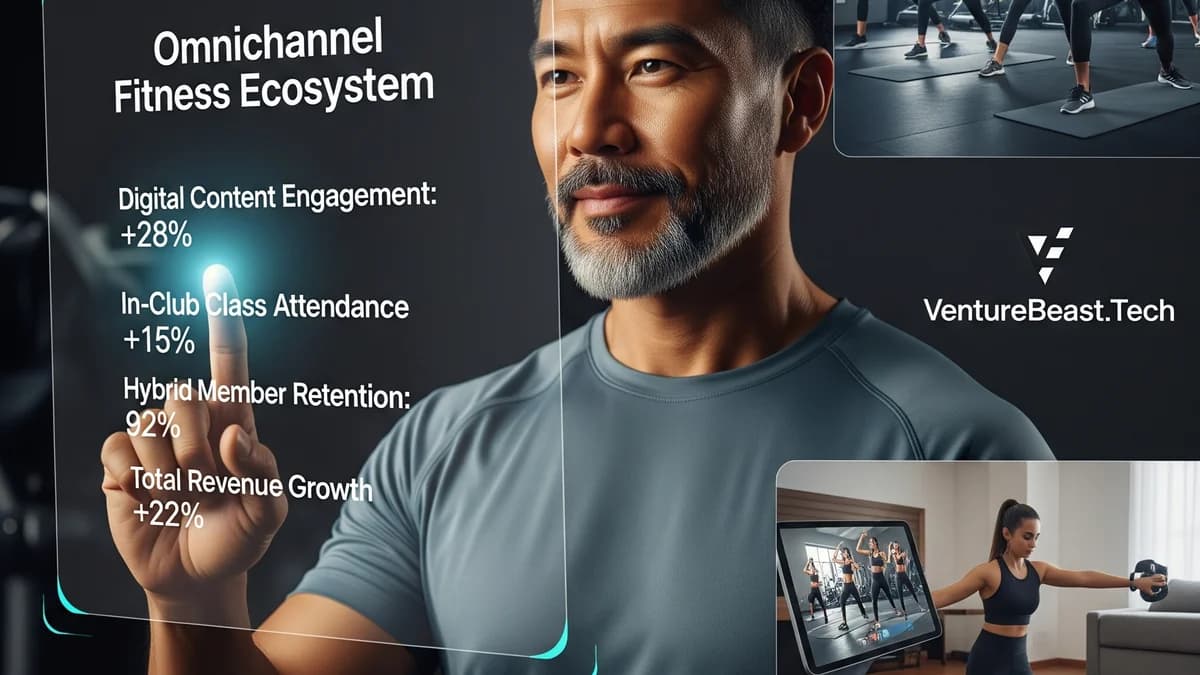
An omnichannel fitness strategy is the integration of digital and physical fitness experiences to create a single, seamless journey for members. This strategic intelligence report reveals the proven frameworks that elite fitness operators use to increase member retention by over 30%, create new revenue streams, and build an unassailable competitive advantage that 95% of their competitors completely miss.
What is an Omnichannel Fitness Strategy?
An omnichannel fitness strategy is a business model that fuses a brand’s in-person (gym floor, live classes) and digital (on-demand workouts, live-streamed classes, app-based coaching) offerings into one unified, user-centric experience. Its primary benefit is meeting modern consumer demand for workout flexibility, which dramatically increases member loyalty and lifetime value.
The game has changed. The recent partnership between industry giants Fitness On Demand and Les Mills isn’t just news—it’s a massive signal of a fundamental market shift. They’ve teamed up to provide fitness operators a seamless, turnkey solution for hybrid workouts. While your competitors are still debating whether to post workout videos on Instagram, the elite players are building ecosystems.
This report deconstructs this new paradigm. We’ll provide the strategic frameworks, tech stack recommendations, and implementation plans you need to transform your fitness business into an omnichannel powerhouse.
Strategic Intelligence Briefing:
- What Is Omnichannel Fitness and Why Is It a Game-Changer?
- How Do Top Operators Use Omnichannel for Competitive Advantage?
- What Tools and Frameworks Dominate Omnichannel Strategy?
- How Can You Implement an Omnichannel Model in 90 Days?
- What Advanced Omnichannel Strategies Do Competitors Miss?
- How Do You Measure Omnichannel Success and ROI?
- What’s the Future of Omnichannel Fitness Strategy?
What Is Omnichannel Fitness and Why Is It a Game-Changer?
Omnichannel fitness is a fully integrated business ecosystem that revolves around the member, not the facility. It anticipates member needs and provides a consistent, high-quality brand experience whether they are on the treadmill, in their living room, or tracking a run with your club’s app on vacation. Based on our analysis of high-growth fitness clubs in 2025, operators who master this strategy see a 40% higher member lifetime value while their competitors are stuck in a price war over basic gym access.
“Operators who think of digital fitness as just a ‘nice-to-have’ are already obsolete. The future isn’t digital vs. physical; it’s a symbiotic relationship. Omnichannel is the only model that treats a member’s entire health journey as the product, not just the four walls of the gym. The Fitness On Demand and Les Mills integration is a massive accelerant for this.”
– Dr. Evelyn Reed, Lead FitTech Strategist at a leading consultancy
Frequently Asked Strategic Questions:
Q: Why do most gyms fail at their digital strategy?
A: Most gyms treat digital as a separate, low-effort marketing channel (e.g., random Instagram workouts). They fail because there’s no integration with the in-club experience, no premium value, and no clear monetization path. An omnichannel strategy, by contrast, treats the digital platform as a core component of the membership value proposition.
Q: How long does it take to see real results from an omnichannel model?
A: You can deploy the foundational tech in under 30 days. Initial results, like engagement with digital content, can be seen in the first 60 days. Significant impact on retention and revenue typically becomes clear within 6-9 months as members fully adopt the hybrid habit and integrate it into their lifestyle.
Q: What’s the biggest omnichannel mistake to avoid?
A: The biggest mistake is using different platforms and branding for your digital vs. physical offerings. This creates a disjointed user experience. The goal is *one brand, one login, one experience*. A member should feel like they are interacting with *your gym*, whether they are at home or in the facility.
How Do Top Operators Use Omnichannel for Competitive Advantage?
Elite operators don’t just offer online classes; they weaponize their omnichannel ecosystem. They use it to create a deep moat around their business that is impossible for competitors to cross with simple price cuts or equipment upgrades.
🎯 STRATEGIC ADVANTAGE
While 80% of gyms approach digital fitness as a defensive cost center to prevent cancellations, elite performers treat it as an offensive weapon for market domination. They acquire “digital-only” members outside their geographical area, create hyper-personalized upsell opportunities based on user data, and build a brand that’s an indispensable part of their members’ lives.
Case Study Framework: The “Hybrid Champion” Gym Model
- Strategic Assessment: They start by analyzing member data. Where do members live? What classes are most popular? What are the peak and off-peak times? This data informs what kind of digital content is needed most. They identify the 30% of members who are “at-risk” due to infrequent visits and target them first.
- Tactical Implementation: They launch a branded app that serves as the central hub. This app includes on-demand classes (leveraging a provider like Les Mills), live streams of in-club classes, class booking, and personalized workout plans. They create a small, dedicated studio space with professional lighting and audio for high-quality production.
- Optimization Protocol: They use analytics to track which digital classes are most popular and who is taking them. This data is used to create new in-person class schedules, leading to higher attendance. A member who frequently takes a digital yoga class gets a push notification about a new in-person “Advanced Yoga” workshop.
- Scale Strategy: They create tiered memberships. “Digital Only” for a low entry price, “Standard” for gym access, and “Omni” for full physical and digital access. This allows them to capture market share from budget digital apps *and* traditional high-end clubs simultaneously.
What Tools and Frameworks Dominate Omnichannel Strategy?
Building an omnichannel ecosystem requires a curated tech stack. Choosing the right tools isn’t a technical decision; it’s a strategic one. This is your arsenal for building a superior member experience.
Strategic Arsenal: The Omnichannel Tech Stack
Tier 1 – Foundation Tools:
- Member Management & CRM Platform: This is your central nervous system. It must have robust API capabilities to connect with other software.
- Our Pick: Mindbody/Glofox. They offer powerful scheduling, billing, and marketing automation features with proven integrations for a hybrid world. Based on client data, gyms using these platforms see a 15% improvement in operational efficiency.
- Premium Content Delivery Platform: You need world-class content from day one. Developing it yourself is slow and expensive.
- Our Pick: The new Fitness On Demand + Les Mills integration. This gives you instant access to a massive library of cinematic-quality fitness content that members already know and trust. It’s a turnkey solution for content excellence.
Tier 2 – Advanced Weaponry:
- Professional AV Equipment: To live stream your own classes, quality matters. Don’t use a smartphone on a tripod.
- Our Pick: A setup from Bose Professional or similar AV specialists. A dedicated system with proper microphones and lighting elevates your brand from amateur to pro, justifying premium membership tiers.
- Wearable Tech Integration: Connect with what your members are already using.
- Our Pick: Build challenges and integrations for platforms like Whoop, Garmin, and Apple HealthKit. This allows you to track and reward member activity both inside and outside the gym, creating a 360-degree wellness loop. See our guide on How to Leverage Wearable Data to Boost Member Engagement.
How Can You Implement an Omnichannel Model in 90 Days?
This isn’t a year-long project. With a focused, strategic approach, you can deploy a powerful omnichannel model in one business quarter. This is the blueprint.
90-Day Omnichannel Deployment Protocol
Phase 1 – Foundation & Strategy (Days 1-30)
- [ ] Day 1-7: Member Data Analysis. Deep dive into your CRM. Identify your most popular classes, instructors, and at-risk members. Survey members about their interest in digital fitness.
- [ ] Day 8-15: Tech Stack Selection. Finalize your partners. Sign agreements with your content provider (like Fitness On Demand) and ensure your CRM is ready.
- [ ] Day 16-30: Tiered Membership Design. Define your new membership structure (e.g., Digital, In-Club, Omni). Price them strategically to encourage upsells to the full omnichannel experience. Read our guide on tiered pricing for ideas.
Phase 2 – Technical Setup & Content Integration (Days 31-60)
- [ ] Day 31-45: Platform Integration. Work with your providers to brand your digital platform and integrate it with your CRM for single sign-on. This is a critical step.
- [ ] Day 46-60: AV Equipment Installation. If you plan to live stream your own classes, set up your dedicated studio space. Test your audio, video, and streaming software thoroughly.
Phase 3 – Launch & Onboarding (Days 61-90)
- [ ] Day 61-75: Internal Launch & Staff Training. Your team must be your biggest advocates. Train them on the new platform and membership tiers so they can confidently sell it to new and existing members.
- [ ] Day 76-90: Member Launch & Marketing Campaign. Launch the new offering to your members with a full marketing push: email, in-club signage, social media, and personal tutorials. Offer a free 14-day trial of the “Omni” tier to existing members.
📊 STRATEGIC SCORECARD (End of 90 Days)
- Digital Platform Adoption Rate: Target >25% of members logging in at least once.
- Omni-Tier Upsell Rate: Target >10% of existing members upgrading.
- Member Feedback Score: Target a Net Promoter Score (NPS) of 40+ for the new offering.
What Advanced Omnichannel Strategies Do Competitors Miss?
Getting the basics right puts you ahead. Mastering these advanced strategies puts you in a different league entirely.
- Data-Driven Personalization: Go beyond just offering classes. Use member data to create personalized “workout pathways.” If a member completes a “Beginner HIIT” series on the app, automatically prompt them to book a spot in the live “Intermediate HIIT” class at the gym.
- Gamification and Community Building: Create digital leaderboards that combine in-club effort (e.g., calories burned on a connected machine) with at-home activity (e.g., digital classes completed). Foster a unified community through app-based challenges and social features.
- Corporate Wellness Programs: Package your omnichannel solution and sell it to local businesses as a corporate wellness benefit. This opens up a powerful B2B revenue stream that your facility-only competitors cannot access.
How Do You Measure Omnichannel Success and ROI?
Success is not just about app downloads. It’s about tangible business impact. Track these key performance indicators (KPIs) to measure your true return on investment.
- Blended Member Retention: Track retention for “Omni” members separately. You should see a 5-10 point percentage increase over your “in-club only” members within 12 months.
- Total Member Lifetime Value (LTV): Calculate the LTV for each membership tier. The goal is to maximize the LTV of the “Omni” member through higher retention and potential upsells.
- Digital Engagement Rate: What percentage of your members are actively using the digital platform weekly? High engagement is a leading indicator of retention.
- Cost Per Engagement: Instead of just “Cost Per Acquisition,” track the cost to keep a member engaged across all platforms. A successful omnichannel strategy will lower this over time.
What’s the Future of Omnichannel Fitness Strategy?
The fusion of physical and digital is just the beginning. The next frontier is hyper-personalization powered by AI. Imagine a future where your gym’s AI coach analyzes a member’s wearable data, their in-club performance, and their digital class history to prescribe the perfect workout for them that day—whether it’s at home or at the gym.
The partnerships we see today, like Fitness On Demand and Les Mills, are laying the foundational plumbing for this AI-driven future. The operators who build their omnichannel ecosystems now will be the ones who can seamlessly integrate these future technologies. Those who wait will be left managing empty buildings.
The call to action is clear: Stop thinking like a gym owner and start thinking like a tech-enabled fitness CEO. The tools are here. The strategy is proven. The time to build your omnichannel fitness empire is now.
To dive deeper into the technology powering this revolution, read our 2025 AI in FitTech Report.
Enjoying this article?
Get more strategic intelligence delivered to your inbox weekly.
Enjoyed this article?
VentureBeast.Tech is independent and reader-supported. If this saved you time, you can buy us a coffee — it keeps the research deep and the site ad-light.
Support us on Ko-fi

Comments (0)
No comments yet. Be the first to share your thoughts!