This article may contain affiliate links. We may earn a small commission at no extra cost to you if you make a purchase through these links.
Musk vs. OpenAI Trial Concludes: The Battle for AI's Future
As the Musk vs. OpenAI trial wraps up, testimonies reveal a high-stakes ideological clash over the future of AI and billions in equity.
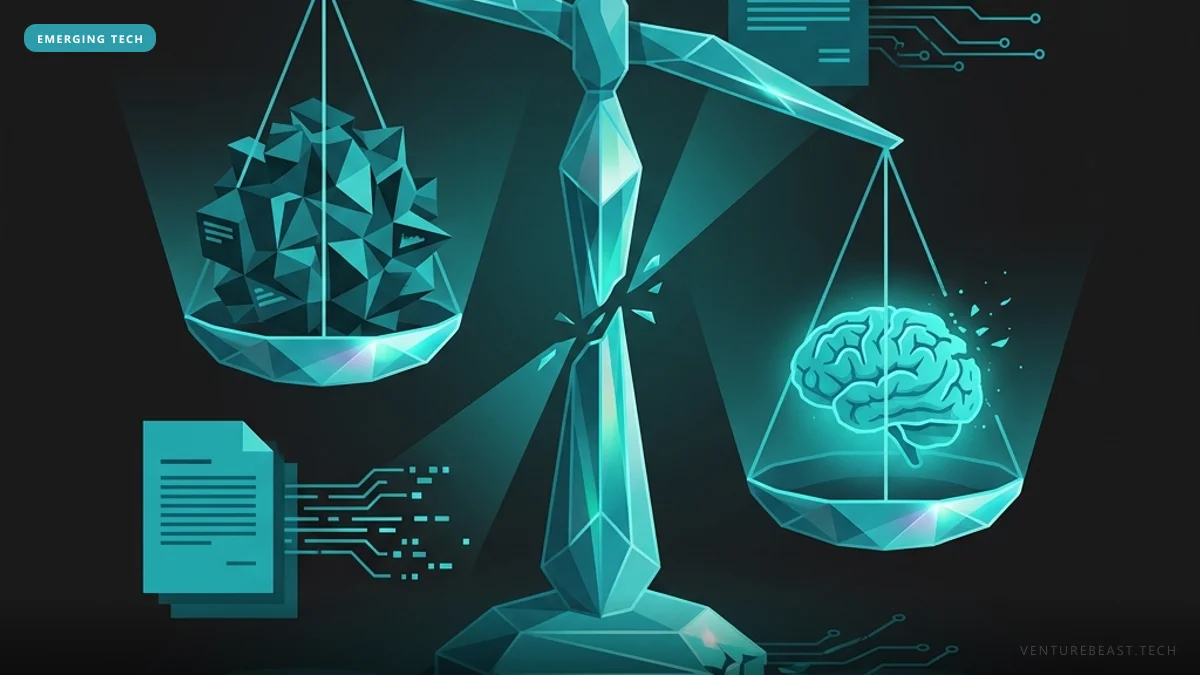
The high-stakes civil trial between Elon Musk and OpenAI has officially concluded its evidentiary phase as of May 13, 2026. This landmark legal battle centers on Musk's allegations that OpenAI—along with its CEO Sam Altman and President Greg Brockman—abandoned its founding nonprofit mission in favor of a lucrative for-profit structure heavily tied to Microsoft.
For operators and strategists in the tech sector, this is more than just a billionaire's grievance. The outcome of this trial could force the redistribution of over $130 billion, reshape the governance structures of major AI labs, and establish new legal precedents for open-source AI development. The jury's impending verdict will set the rules of engagement for the next decade of artificial intelligence.
The Current State of the Trial
Following three weeks of intense proceedings in the U.S. District Court for the Northern District of California, closing arguments are scheduled for May 14, with jury deliberations to follow. The courtroom has provided an unprecedented look into the internal mechanics and interpersonal conflicts that have defined OpenAI's rapid ascent.
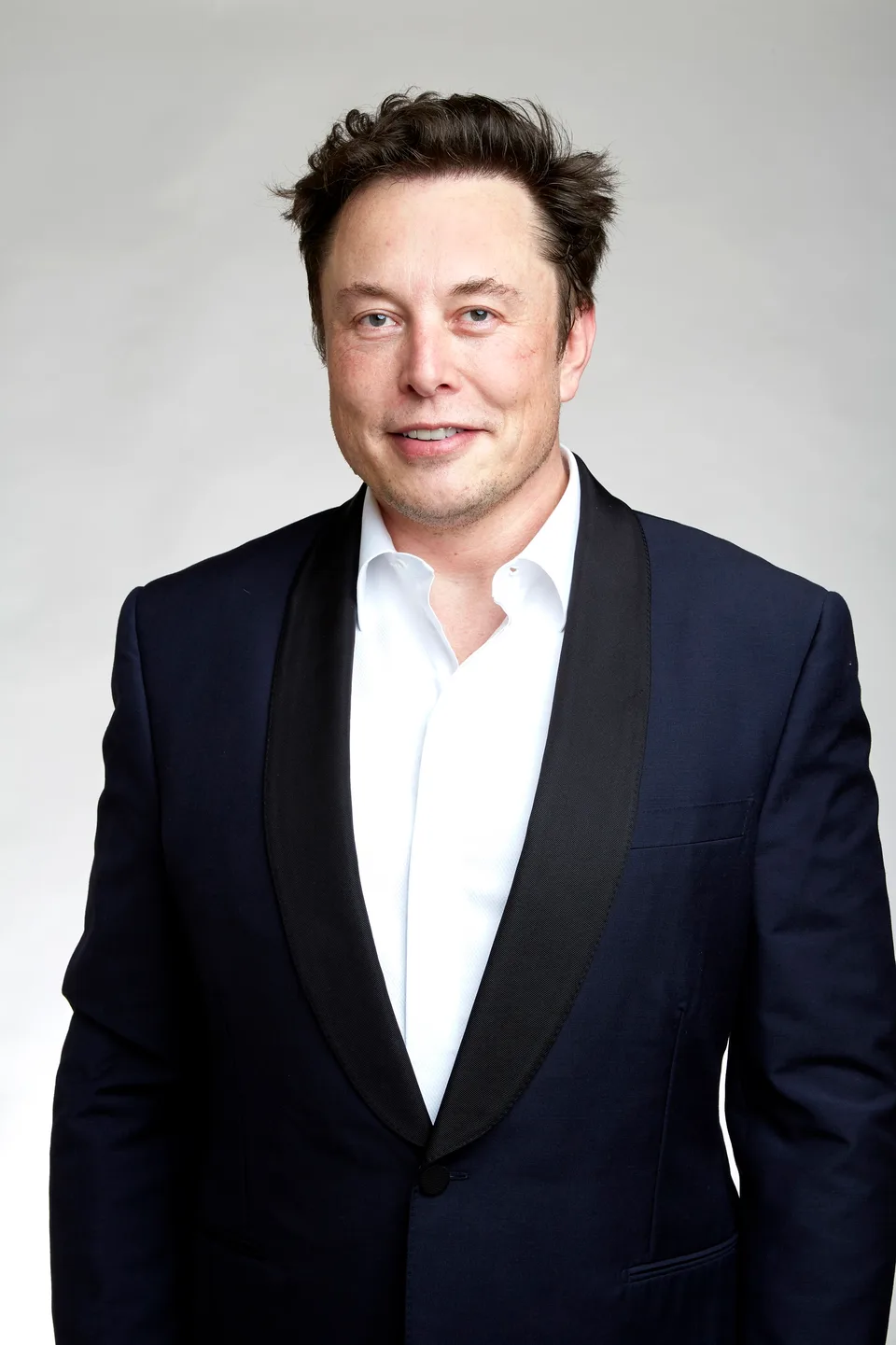
Under cross-examination, Sam Altman vigorously defended OpenAI's transition, arguing that the massive compute requirements for artificial general intelligence (AGI) necessitated vast capital that a nonprofit structure could not support. Altman also pushed back against Musk's narrative, framing the lawsuit as a retaliatory move driven by personal jealousy and Musk's desire to benefit his own competing AI venture, xAI. In contrast to Anthropic's approach with the Claude Mythos Preview—which emphasized extreme caution and security transparency—OpenAI's trial strategy has focused heavily on the pragmatic realities of commercializing frontier models.
What the Testimony Revealed
The evidence presented has highlighted deep ideological and strategic rifts within the AI community. Former OpenAI chief scientist Ilya Sutskever offered explosive testimony, revealing that he had previously warned the board about a "consistent pattern of lying" by Altman. This internal friction underscores the difficulty of balancing a mission-driven ethos with hyper-growth imperatives.
Furthermore, testimony confirmed the immense financial stakes involved. Greg Brockman's equity in the company is reportedly valued at nearly $30 billion, despite his not having invested personal capital. Meanwhile, Microsoft CEO Satya Nadella testified that Microsoft's multi-billion dollar investment was a clear commercial partnership, a stark contrast to Musk's original vision of a donor-funded, open-source research lab.

What This Means for the Industry
The trial's revelations expose the fragile trust models governing today's leading AI companies. If the jury sides with Musk and orders a reversal of OpenAI's for-profit shift, the resulting structural upheaval could jeopardize existing enterprise partnerships and slow the pace of commercial AI deployments.
Conversely, a victory for OpenAI would legally validate the "capped-profit" model that many modern AI startups have adopted to attract massive venture capital while ostensibly maintaining a public-benefit mission. This would likely accelerate enterprise integrations, such as the Microsoft Foundry Toolboxes, by removing the lingering legal uncertainty over OpenAI's corporate legitimacy.
The Bottom Line
The Musk vs. OpenAI trial is the most consequential legal battle in the brief history of the modern AI industry. While the courtroom drama focuses on broken promises and personal rivalries, the underlying issue is fundamental: who controls the infrastructure of the future, and what legal frameworks govern the transition from open research to trillion-dollar enterprise products. As deliberations begin, enterprise leaders must prepare for a potential paradigm shift in how AI partnerships are structured and enforced.
Enjoying this article?
Get more strategic intelligence delivered to your inbox weekly.
Enjoyed this article?
VentureBeast.Tech is independent and reader-supported. If this saved you time, you can buy us a coffee — it keeps the research deep and the site ad-light.
Support us on Ko-fi

Comments (0)
No comments yet. Be the first to share your thoughts!